Rosalyn Yalow
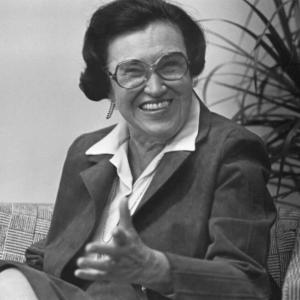
Rosalyn Yalow revolutionized medical science by co-developing radioimmunoassay (RIA), a technique that allowed precise measurement of hormones and other substances in the blood, transforming diagnostics and treatment for conditions like diabetes and thyroid disorders.
Yalow built her career as a physicist in mid-20th-century America, a time when women faced systemic barriers in science and became the second woman to win the Nobel Prize in Physiology or Medicine, breaking ground for future generations of female scientists.
Yalow used her platform to advocate for gender equity and the inclusion of women’s talents in solving global scientific challenges, emphasizing that society cannot afford to waste half its intellectual potential.
“The failure of women to have reached positions of leadership has been due in large part to social and professional discrimination. In the past, few women have tried and even fewer have succeeded. We still live in a world in which a significant fraction of people, including women, believe that a woman belongs and wants to belong exclusively in the home; that a woman should not aspire to achieve more than her male counterparts and particularly not more than her husband. Even now women with exceptional qualities for leadership sense from their parents, teachers and peers that they must be harder-working, accomplish more and yet are less likely to receive appropriate rewards than are men. These are real problems which may never disappear or, at best, will change very slowly.”
Rosalyn Yalow’s speech at the Nobel Banquet, December 10, 1977
Early Life
Rosalyn Sussman Yalow, born Rosalyn Sussman in 1921, grew up in New York City’s South Bronx in a working-class Jewish household (Taitz & Fields, 2022; Adler, 2022). Her father, Simon Sussman, a Russian American Jew, sold cardboard and packing twine. Her mother, Clara Zipper, emigrated from Germany when she was four years old. Neither parent had the opportunity to pursue formal education (Adler, 2022). Despite this, Yalow’s parents believed their children would attend college (Nobel Prize, 1977). Specifically, Yalow credited her father for teaching her that girls could do anything boys could do (Taitz).
Growing up, Yalow described herself as a “stubborn, determined child.” She explained, “Through the years my mother has told me that it was fortunate that I chose to do acceptable things, for if I had chosen otherwise, no one could have deflected me from my path” (Nobel Prize, 1977). She applied her energy toward reading and learned to read before starting kindergarten (Adler, 2022). Weekly trips to the public library nurtured her love of books and mathematics. By seventh grade, Yalow had “committed” to math (Nobel Prize, 1977).
At Walton High School and former all-girls school, her chemistry teacher, Mr. Mondzak, drew her toward science. As an honors student at Walton High School, she excelled in both math and chemistry. Even before graduating, Yalow decided to pursue both marriage and a career simultaneously, never doubting that she could accomplish both, something most women at the time did not do (Taitz & Fields, 2022). She graduated at fifteen and enrolled at Hunter College, a free city university for women. While Hunter College is still open today, it became a coeducational space in the mid-1960s. Her parents hoped she would become a schoolteacher, but Yalow had other ambitions. As a freshman, she declared a chemistry major; however, after taking her first physics course, her professors encouraged her to pursue physics (Taitz).
At Hunter College, the excitement surrounding nuclear physics in the late 1930—amplified by Eve Curie’s biography of Marie Curie—pulled her decisively into physics (Poffenberger). In January 1939, her junior year, Yalow attended an inspiring colloquium by Enrico Fermi, who had recently discovered nuclear fission. That experience deepened her interest in the field of physics (Nobel Prize). Encouraged by her professors, Yalow resolved to pursue graduate education in physics, despite concerns that “a good graduate school would not offer a woman in physics a position or financial support” (Poffenberger). Many graduate schools rejected her, with one even admitting that “as a Jew and a woman, she would never get a job in the field” (Taitz & Fields, 2022).
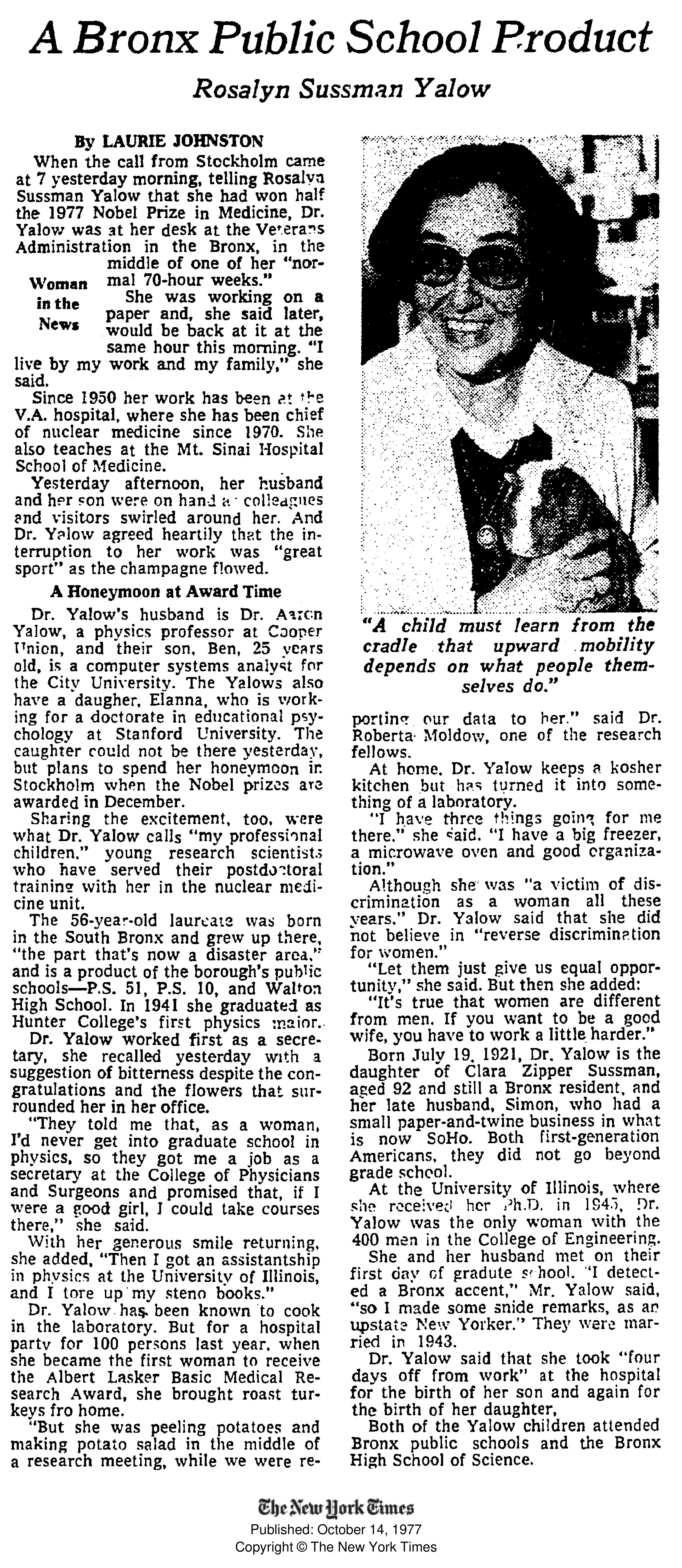
Another barrier for Yalow to enter science concerned funding for her education. Without aid, Yalow would not be able to attend graduate school necessary to advance her credibility within the field of science. During her senior year in September 1940, one of her professors secured for her a secretarial role for a leading biochemist at Columbia University. Despite Yalow having to take typing and steno courses needed for a secretarial role, it was the hope of her professors that the position would provide her with enough funding to enroll in graduate classes. In a New York Times article, Yalow recalled, “They told me that, as a woman, I’d never get into graduate school in physics, so they got me a job as a secretary at the College of Physicians and Surgeons and promised that, if I were a good girl, I could take courses there” (Johnston, 1977).
Yalow graduated Phi Beta Kappa and magna cum laude with a bachelor’s in chemistry and physics in January 1941. That summer, before starting at Columbia, she accepted a teaching assistantship in physics at the University of Illinois at Urbana-Champaign, where she later continued as a physics instructor while completing her Ph.D. (Taitz & Fields, 2022). As U.S. involvement in World War II intensified and the draft expanded, opportunities in higher education began to shift. Yalow later wrote, “The Dean of the Faculty congratulated me on my achievement and told me I was the first woman there since 1917. It is evident that the draft of young men into the armed forces, even prior to American entry into the World War, had made possible my entrance into graduate school” (Taitz; Nobel Prize).
At Illinois, she was the only woman among four hundred faculty and teaching assistants. She and Aaron Yalow—who would become her husband in 1942—were among the few Jews in the program, making her first year especially challenging as she adjusted from an all-girls educational setting where she was minoritized on several fronts. Because Hunter College had offered few physics courses, Yalow audited undergraduate classes alongside her graduate coursework. Here, she also worked as a university teaching assistant for the first time. She wrote, “Like nearly all first-year teaching assistants, I had never taught before—but unlike the others I also undertook to observe in the classroom of a young instructor with an excellent reputation so that I could learn how it should be done” (Nobel Prize). Despite these challenges, Yalow earned all A’s except for her optics laboratory course, where she received an A-. The chair of the physics department remarked, “That A- confirms that women do not do well at laboratory work” (Poffenberger).
By the end of her first semester (and amid the wartime mobilization already underway) Illinois’s Physics Department lost junior and senior faculty to classified projects, and the campus saw an influx of Navy and Army trainees. The war also strained Yalow’s home life; newly married, she and her husband managed daily responsibilities under shortages and rationing (Nobel Prize).
Even as those pressures mounted, Yalow deepened her practical training, building and calibrating instruments for measuring radioactivity, skills that later anchored her medical physics career (UIUC). In 1945, Yalow earned her Ph.D. in nuclear physics.
Breaking into Medical Physics: The Bronx VA and a Crucial Partnership
After graduation, the couple returned to the Bronx, where Yalow worked at the Federal Telecommunications Laboratory as the only female engineer. When the lab closed the following year, she returned to teaching physics at Hunter College, instructing returning veterans in a pre-engineering program (Adler, 2022). She had originally sought a research position, but institutions rarely offered those roles to women (Taitz & Fields, 2022). Meanwhile, her husband worked in medical physics at Montefiore Hospital in the Bronx. He introduced Yalow to Dr. Edith Quimby, a leading medical physicist at the College of Physicians and Surgeons. Quimby then introduced her to Dr. Gioacchino Failla, known as the “Dean of American Medical Physicists,” who recommended Yalow to Dr. Bernard Roswit, Chief of the Radiotherapy Service at the Bronx Veterans Administration Hospital (Nobel Prize).
In 1947, the Veterans Administration Hospital launched a research program to explore the use of radioactive substances for diagnosing and treating disease (Taitz & Fields, 2022). Impressed by Yalow, Dr. Roswit offered her a laboratory space and a modest salary as a nuclear physics consultant. Yalow worked both jobs for three years. During that time, she built and developed the radioisotope service in a janitor’s closet using funds provided by Dr. Roswit (Nobel Prize). This work resulted in eight publications across different areas of clinical investigation. In January 1950, Yalow left her teaching post after being appointed physicist and assistant chief of the hospital’s radioisotope service.
Recognizing her need for clinical expertise, Yalow recruited Solomon A. Berson, a brilliant young physician who had also faced anti-Jewish barriers in professional training (Roth, 2011). When Berson interviewed for the position, he had already accepted a role at another hospital, but their rapport and shared life experiences—both Jewish, children of immigrants, and academically gifted—convinced him to join her. Their 22-year collaboration combined Yalow’s strength in mathematics and nuclear medicine with Berson’s clinical insight. Together, they pioneered radioisotope methods to probe human physiology far beyond what contemporary tools allowed (Science History Institute).
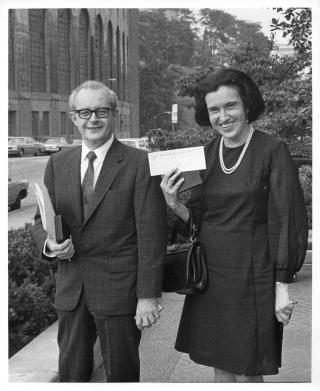
Yalow and Berson also invested in the future of the field. Yalow wrote,
“Through the years Sol and I together, and now I alone, have enjoyed the time spent with the ‘professional children’, the young investigators who trained in our laboratory and who are now scattered throughout the world, many of whom are now leaders in clinical and investigative medicine. In the training in my laboratory the emphasis has been not only in learning our research techniques but also our philosophy. I have never aspired to have, nor do I now want, a laboratory or a cadre of investigators-in-training which is more extensive than I can personally interact with and supervise” (Nobel Prize).
Her commitment to close mentorship ensured that her influence extended far beyond her own discoveries, shaping a generation of researchers who advanced clinical and investigative medicine worldwide.
Family Life
Even as a child, Yalow had been determined to balance work and home life, and she stayed true to that commitment. Although her workplace required women to leave once they were five months pregnant, Yalow continued her research. While at the VA Hospital, she gave birth to Benjamin in 1952 and Elanna in 1954. After both births, she returned to work a week later and continued her lab work while nursing her infants. As her children grew older, she remained committed to work-life balance. She prepared kosher lunches for them every day and returned home in time to make dinner each evening—only to go back to the lab afterward. She maintained a 60- to 80-hour workweek throughout her career (Poffenberger; Nobel Prize).
From Insulin Antibodies to Radioimmunoassay (RIA): A Technical and Conceptual Breakthrough
In the 1950s, Yalow, supported by Berson, studied diabetes, a condition that held personal significance for her because her husband had diabetes (ACS). Diabetes is a chronic illness in which the body struggles to convert food into energy because it cannot use glucose properly. This occurs when the body does not produce enough insulin or when insulin does not function correctly. Yalow and Berson wanted to understand what happened to insulin after injection (Science History).
They developed a method to track insulin by attaching a radioactive iodine isotope (iodine-125) to the hormone, a process known as labeling. This allowed them to follow how insulin moved through the body. When they compared results from different patients, they noticed something unusual: diabetic patients who regularly used insulin kept the labeled insulin in their bloodstream much longer than healthy individuals.
At the time, most people with diabetes used insulin made from cattle, which differed slightly from human insulin. Yalow and Berson realized that these patients’ immune systems had reacted to the cattle insulin by producing antibodies. Those antibodies were binding to the labeled insulin and slowing its clearance—the rate at which insulin is removed from the bloodstream. Because of this binding, the labeled insulin stayed in circulation far longer than expected. (Science History).
Yalow used a small amount of radioactivity to help scientists see how hormones and antibodies connect, creating a way to measure hormones at levels that were impossible before. By 1959–1960, she and Berson introduced the radioimmunoassay (RIA), a method that defined the quantitative behavior of insulin-antibody binding and then applied the technique to measure plasma insulin in health and disease (Nobel Prize). This became Yalow and Berson’s most famous discovery. RIA enabled reliable measurement of peptide hormones (growth hormone, ACTH, parathyroid hormone, gastrin), vitamin B12, and hepatitis B virus in donated blood—bolstering patient safety, transforming diagnostic algorithms, and catalyzing new drug dosing strategies. In recognition of this research, Yalow received the American Diabetes Association’s Eli Lilly Award in 1961 (Taitz & Fields, 2022).
From 1966 to 1967, Yalow served as a member of the President’s Study Group on Careers for Women. Two years later, she became chief of Nuclear Medicine Service and a research professor at Mt. Sinai School of Medicine (Taitz & Fields, 2022). Four years later, following Berson’s unexpected death in 1972, Yalow became the first woman appointed senior medical investigator at the VA Hospital, where she renamed her lab the Solomon Berson Research Laboratory (Adler, 2022). Yalow renamed the lab so that Berson’s name would continue to appear on every paper she published (Science History). In that lab, she published more than 50 papers on parathyroid hormone metabolism and gastrointestinal hormones (Taitz & Fields, 2022).
The impact of Yalow and Berson’s RIA discovery resonated globally. In 1972, Yalow earned a commemorative medallion, and in 1975 she won the A. Cressy Morrison Award in Natural Science, the VA Exceptional Service Award, and the Scientific Achievement Award of the American Medical Association. One year later, at age 55, she became the first woman to win the Albert Lasker Prize for Basic Medical Research. In 1977, Yalow received the Nobel Prize in Physiology or Medicine for the development of RIA as it applied to tracing hormones. Because Berson was not there to accept the award beside her, Yalow shared the honor with two other scientists—Andrew V. Schally and Roger Guillemin—who were recognized for their work on hormone production in the brain (Science History; ACS).
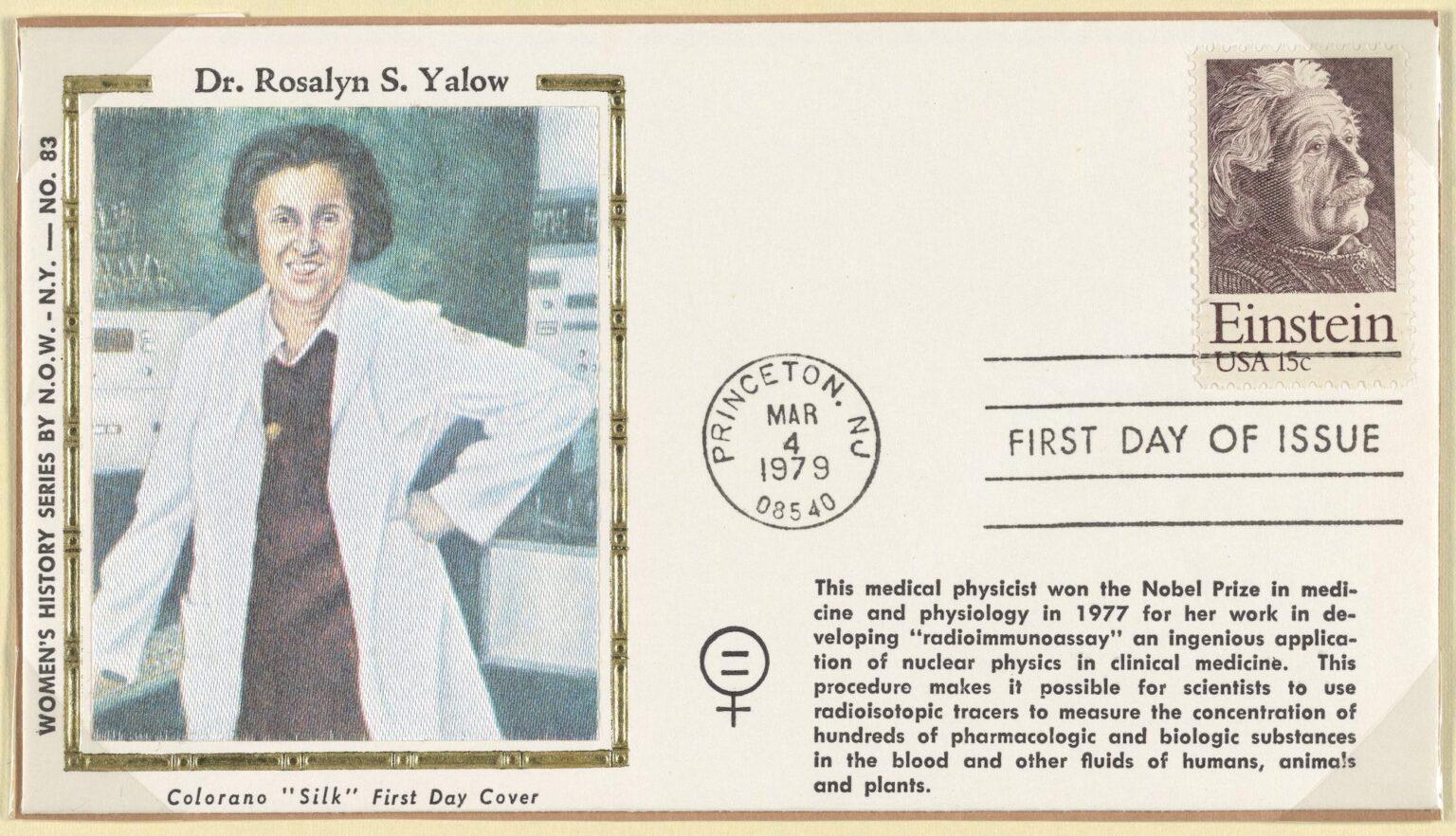
Figure 3. First Day Cover commemorating Dr. Rosalyn S. Yalow, 1979.
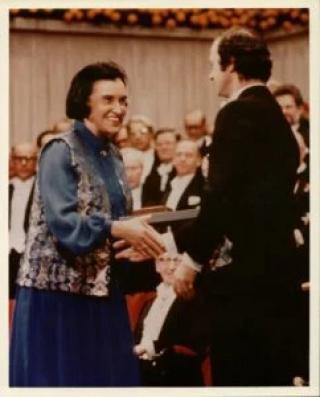
Figure 4. Yalow receives the Nobel Prize in Physiology or Medicine 1977 from King Carl XVI Gustaf of Sweden.
Yalow repeatedly contextualized her scientific work within the social realities facing women in science. In her 1977 Nobel banquet speech, she addressed students directly: women’s underrepresentation in leadership owed much to social and professional discrimination, and progress required self-belief, competence, and a duty to ease the path for those who came after. In the same address, she offered a memorable line—now a touchstone in discussions of gender parity, “The world cannot afford the loss of the talents of half its people”, a thought that framed her lifelong insistence that science demanded the full participation of women.
After the Nobel Prize
After receiving the Nobel Prize, Yalow continued her research at the Bronx VA and served as chair of the Department of Clinical Science at Montefiore Hospital and Medical Center from 1980 to 1985 (Taitz & Fields, 2022). She earned numerous honorary degrees, including those from Yeshiva University—where she held the title of Distinguished Professor-at-Large emerita beginning in 1986—and Hunter College. In 1978, the Rosalyn S. Yalow Research Development Award was established in her honor. She received the VA Exceptional Service Award for the second time and the Torch of Learning Award from the American Friends of the Hebrew University. Despite her growing fame, Yalow refused to alter her lifestyle and even found time to host a five-part PBS series on the life of Marie Curie, one of her early role models (Nobel Prize; Taitz & Fields, 2022).
Yalow remained scientifically active, publishing more than 500 papers and continuing her research. In 1988, she earned the National Medal of Science, and in 1993, she was inducted into the National Women’s Hall of Fame. Her laboratory operated under the support of the Veterans Administration Medical Research Program and later affiliated with Mount Sinai School of Medicine, where she held the title of Distinguished Service Professor. Throughout her career, she received numerous honors, including the A. Cressy Morrison Award, the Scientific Achievement Award of the American Medical Association, the Koch Award of the Endocrine Society, and five honorary doctorates (Taitz & Fields, 2022). She retired from the VA hospital in 1991 and died twenty years later, on May 30, 2011 (Gellene, 2011). Yalow was inducted into the Grainger Engineering Hall of Fame posthumously (UIUC).
 Primary Source Analysis Strategies

Bronx Woman and Two U.S. Men Share the Nobel Prize in Medicine
-
Written by Laurie Johnston and published on October 14, 1977, this profile highlights Yalow’s upbringing and education.
Primary source inquiry:
-
What details about Yalow’s scientific contributions are emphasized, and what might be omitted? How do these omissions shape our understanding of her role in the Nobel-winning discovery?
-
How does the article frame Yalow’s achievement in relation to her gender and background? What language choices signal societal attitudes toward women in science at the time?
-
How might the article’s tone and placement in the newspaper influence readers’ perception of the significance of her accomplishment?
-
Article by the New York Times written by Laurie Johnston on October 14, 1977, about Yalow.
Primary source inquiry:
-
How does the article construct Yalow’s identity through references to her Bronx roots and public-school education? What cultural or class assumptions are embedded in this portrayal?
-
In what ways does the narrative connect her personal background to her scientific success? Does it reinforce or challenge stereotypes about women and scientists?
-
How might the article focus on her early life overshadow or complement her professional achievements? What does this suggest about media priorities in covering women scientists?
-
A biographical article on the New York Times written by Elizabeth Stone on April 9, 1978, about Yalow.
Primary source inquiry:
-
How does the comparison to Marie Curie shape readers’ interpretation of Yalow’s significance? Does it elevate her status or impose limiting expectations?
-
What intersections of gender, science, and cultural identity emerge in the article’s portrayal? How do these intersections influence the narrative of her career?
-
How does the article use anecdote, personal detail, or cultural reference to frame Yalow’s achievements? What can these narrative strategies reveal/ obscure about her scientific contributions?
American Chemical Society. (n.d.). Rosalyn Sussman Yalow. ACS. Retrieved from https://www.acs.org/education/whatischemistry/women-scientists/rosalyn-sussman-yalow.html
Gellene, D. (2011, June 1). Rosalyn S. Yalow, Nobel medical physicist, dies at 89. The New York Times. https://www.nytimes.com/2011/06/02/us/02yalow.html
Johnston, L. (1977, October 14). A Bronx public school product. The New York Times. https://www.nytimes.com/1977/10/14/archives/a-bronx-public-school-product-rosalyn-sussman-yalow.html
Nobel Prize Outreach. (2025). Rosalyn Yalow – Biographical. NobelPrize.org. Retrieved December 11, 2025, from https://www.nobelprize.org/prizes/medicine/1977/yalow/biographical/
Pizzi, R. A. (n.d.). Rosalyn Yalow: Assaying the unknown. Medicinal Chemistry Division, ACS. Retrieved from https://pubsapp.acs.org/subscribe/archive/mdd/v04/i09/html/09timeline.html
Poffenberger, L. (2021, July). This month in physics history: July 19, 1921: Birth of Rosalyn Sussman Yalow. APS News. https://www.aps.org/publications/apsnews/202107/history.cfm
Science History Institute. (n.d.). Rosalyn Yalow and Solomon A. Berson. Science History Institute. https://www.sciencehistory.org/education/scientific-biographies/rosalyn-yalow-and-solomon-berson/
Stone, E. (1978, April 9). A Mme. Curie from the Bronx. The New York Times. https://www.nytimes.com/1978/04/09/archives/a-mme-curie-from-the-bronx-yalow.html
Taitz, E., & Fields, T. (2022, January 19). Rosalyn Yalow. Jewish Women’s Archive. https://jwa.org/encyclopedia/article/yalow-rosalyn
The New York Times. (1977, October 14). Bronx woman and two U.S. men share the Nobel Prize in medicine. The New York Times. https://www.nytimes.com/1977/10/14/archives/bronx-woman-and-two-us-men-share-the-nobel-prize-in-medicine.html
U.S. Department of Veterans Affairs. (n.d.). Dr. Rosalyn Yalow: Groundbreaking VA medical researcher and Nobel Prize laureate. VA History. https://department.va.gov/history/featured-stories/dr-rosalyn-yalow/
University of Illinois Grainger College of Engineering. (n.d.). Rosalyn S. Yalow. Alumni Hall of Fame. https://grainger.illinois.edu/alumni/hall-of-fame/rosalyn-yalow
MLA — “Rosalyn Yalow.” National Women’s History Museum, 2026. Date accessed.
Chicago — “Rosalyn Yalow.” National Women’s History Museum. 2026. https://www.womenshistory.org/education-resources/biographies/rosalyn-yalow.
Patricia Bath
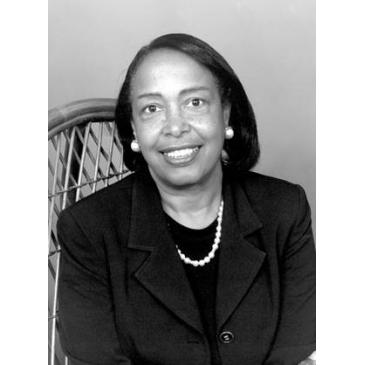
Helen Taussig