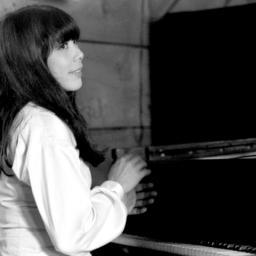
Peggy Fleming
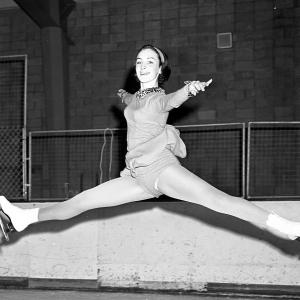
Peggy Fleming is a renowned American figure skater known for her graceful skating style and her 1968 Olympic gold medal.
In addition to a long career in professional figure skating, Fleming continues to advocate for expanded access to figure skating and women’s health.
“I loved the whole experience. It made me feel good about myself, it made me feel good about my skating, and it made me feel good about representing the U.S.”
Peggy Fleming regarding Olympics win
Early Life
Since she was nine, Peggy Fleming was a natural on the ice. Born on July 27, 1948, in San Jose, California, she was the second of four daughters to Doris and Albert Fleming. Her parents supported her early training as a skater. After her first fateful visit to an ice rink in 1957, her father took her skating every day to develop her gift, and her mother made her skating costumes for competition.
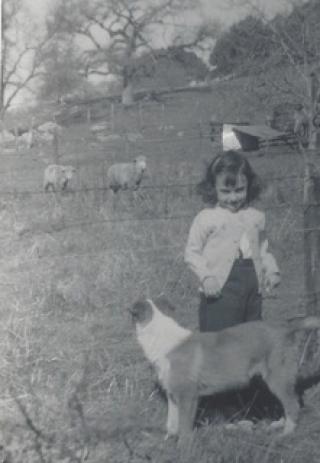
Figure 1. Childhood photo of Peggy Fleming.
Her father died when Fleming was 12, leaving her mother Dorothy to care for her daughters and manage her daughter’s burgeoning career as a figure skater. That same year, Fleming’s skating coach, William Kipp, died in a plane crash along with the entire U.S. Figure Skating team. Fleming would lead a new generation of American skaters and rebuild the sport.
Training, 1964 Winter Olympics, and World Championships
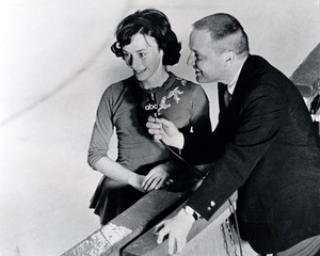
Figure 2. First U.S. National Championship win.
At the age of 15, Fleming won the U.S. National Championship, at that time called the Senior Ladies Championships. This would be the first of Fleming’s five consecutive wins of that title. She won a spot on the U.S. Olympic team and competed in the 1964 Olympic Winter Games in Innsbruck, Austria. She placed 6th at the Olympics, and 7th at the World Championship that same year.
Attracting national attention, Fleming was invited to train under Italian coach Carlo Fassi. The family relocated to Colorado Springs to follow this dream. Under his guidance, she won her first World Championship in 1966. This would be her first of three consecutive wins of the World Championship. She began to gain notoriety for her graceful and musical approach to figure skating, focusing on elegance and athleticism of form rather than jumps.
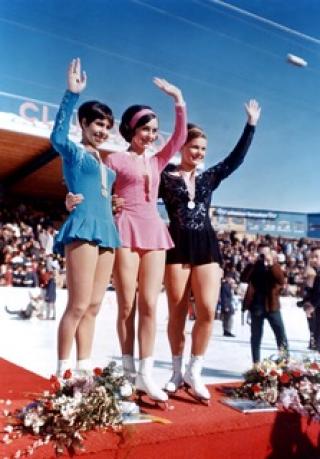
Figure 3. First World Championship Win.
1968 Olympics Win
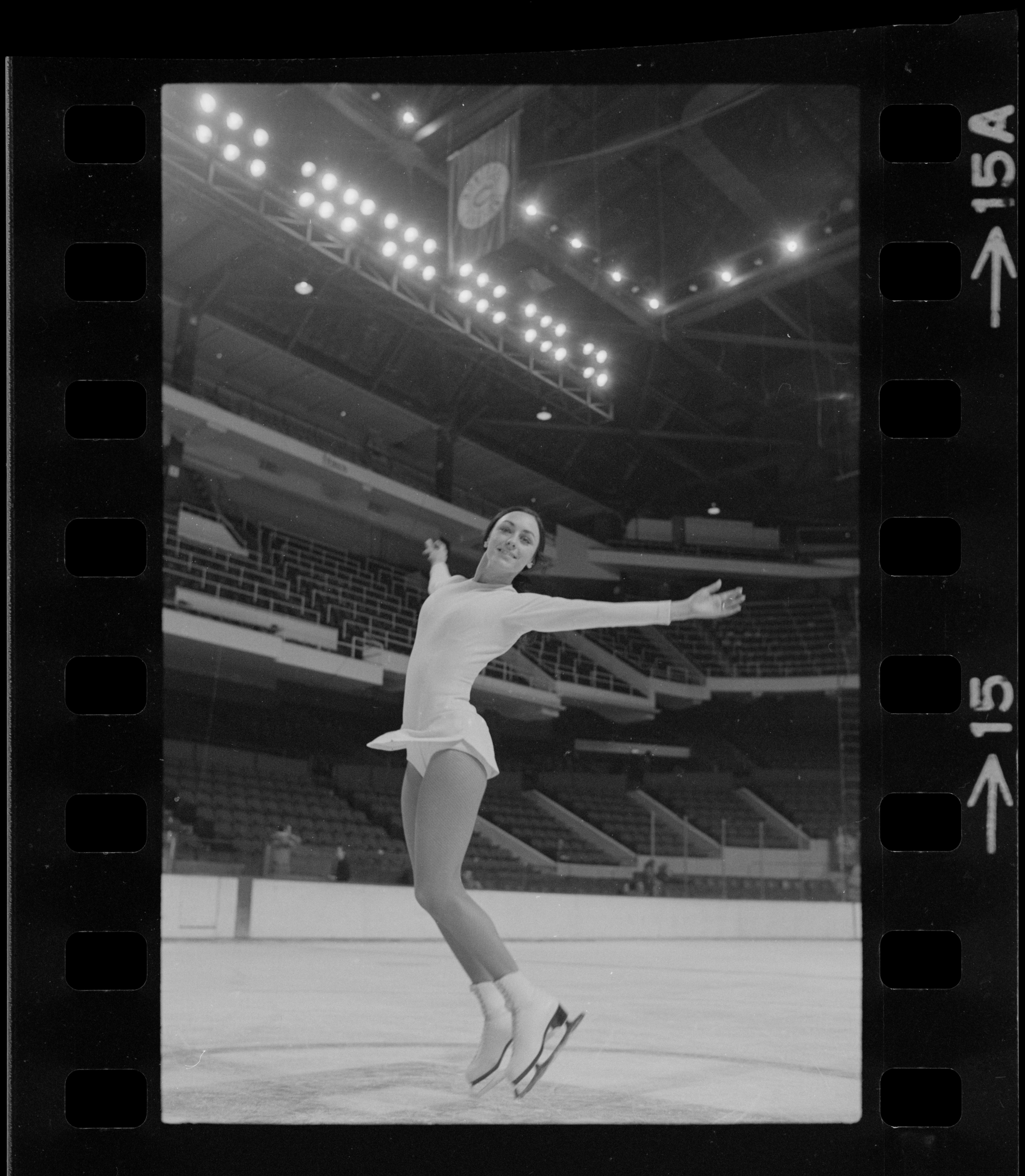
Figure 4. Peggy Fleming training.
In 1968, at 19 years old, Fleming was bound for the Olympics for the second time. This Olympics Games, hosted in Grenoble, France, was the first Winter Olympics to be broadcast widely in color. Her iconic chartreuse costume, made by her mother for the event, took advantage of the new color broadcasting.
“My mother made all of my costumes because we couldn’t afford it... and she chose this costume, the chartreuse green, because she read about the history of Grenoble and she thought if I wore the color chartreuse it would endear me to the French people. I think it went over everyone’s head. But that color is new growth, and it’s a new beginning like in nature. She put a lot of thought behind it. It was simple, and it worked! It really did.”
Peggy Fleming, Interview with Olympics.com
Fleming was nervous for the event, despite her previous Olympics performance and her prior high-profile competition wins: “I think I was a little more nervous than normal because I had so much pressure on me to win” (Olympics). She also remembered “being terrified...I look at the footage, and I see myself stepping out onto the ice and I go ‘Gosh, I don’t look that nervous at all,’ but inside, I was terrified” (Today Show).
That year, she won the gold medal in Ladies’ Figure Skating singles. With her elegant and technically masterful free skate routine, she captured international attention. Her victory is largely regarded as the beginning of a rebirth in American figure skating. She was the only American athlete to win a gold medal at the 1968 Winter Games. Regarding her win, Fleming remains proud of her performance and remarks positively about her Olympics experience:
“It was [an] out of body experience. I was proud of myself. I was relieved that the pressure’s finally over. And to actually have the medal on? It was magical...I loved the whole experience. It made me feel good about myself, it made me feel good about my skating, and it made me feel good about representing the U.S.”
Peggy Fleming, Interview with Olympics.com
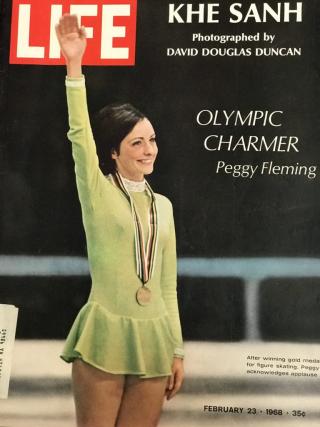
Figure 5. Life Magazine Cover, 1968.
Following her Olympics win, Fleming was a skating star as had never been seen before. She was invited to visit the White House by President Lyndon B. Johnson and was featured on the cover of Sports Illustrated in that same year.
Television and Ice Tours
Fleming started her post-Olympics career with the first of five NBC Television Specials in 1968: “I hadn’t even babysat before. This was my first job!” (Today Show).
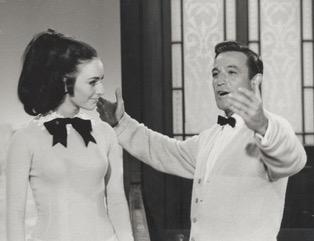
Figure 6. Peggy Fleming’s first television special
That same year, she began touring with Ice Follies, a figure skating performance show, around the country. She would later perform in similar shows Holiday on Ice and Ice Capades. In 1970, she married Greg Jenkins, also a figure skater at the time who would later become a physician. The couple had two sons and today have three grandchildren. In 1972, she created her own touring ice show, Concert on Ice. She would perform again at the White House in 1980 as part of a holiday celebration by President Carter. Finally, she became an expert commentator for ABC Sports and ESPN. She participated in broadcasting many skating competitions, including the Olympic Winter Games, for 28 years.
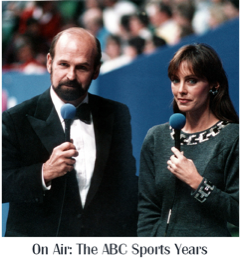
Figure 7. ABC Sports commentator Peggy Fleming.
Advocacy, Leadership, and Accolades
Peggy Fleming has been an outspoken advocate for the expansion of access to figure skating and has encouraged artistic expression for skaters. In 1980, she took a diplomatic trip alongside other American skaters to the People’s Republic of China, introducing figure skating to the Chinese public for the first time. In 2018, she began the Peggy Fleming Trophy artistic skating competition, which celebrates artistry and individual expression for the skaters.
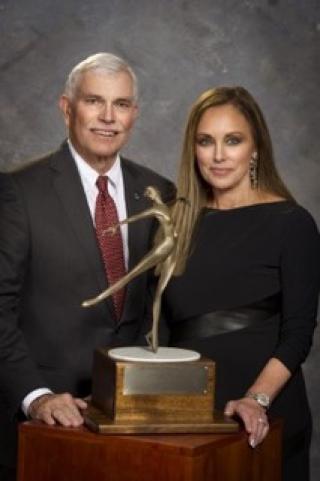
Figure 8. Peggy Fleming Inaugural Trophy, 2018.
In addition to figure skating, Fleming is an advocate for women’s health. In 1998, she was diagnosed with early-stage breast cancer. After successful treatment, she became a spokesperson for breast cancer screening and prevention. She’s been featured on various television programs and magazine coverage promoting women’s healthcare and opening up to the public about her own health struggles. In addition, the proceeds from her and her husband’s vineyard, which they opened in 2005, are partially donated to breast cancer research, treatment, and outreach, with donations today exceeding $50,000.
Today, Fleming is recognized as one of the leaders of American figure skating history. She was featured in the 2002 Salt Lake City Olympic Winter Games opening ceremony, appeared in the 2007 movie Blades of Glory, and was a member of the presidential delegation to the 2010 Olympic Winter Games in Vancouver. In 2018, she was awarded an honorary Doctorate of Humane Letters by Colorado College, where she attended briefly before her Olympics win. In 2020, she was honored with the Peggy Fleming Tribute, an eight-foot-tall bronze sculpture at Evergreen Lake, Colorado.
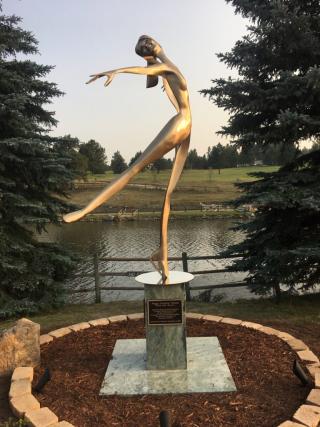
Figure 9. Peggy Fleming Tribute.
Eschner, Kat. “A Brief History of Women’s Figure Skating.” Smithsonian Magazine. February 6. 2018. https://www.smithsonianmag.com/history/brief-history-womens-figure-skating-180968044
Fleming, Peggy. Interview with the Today Show. February 8, 2018. https://www.youtube.com/watch?v=Od0CvXgaD1I
Fleming, Peggy. Interview with Olympics.com. 2022. https://www.olympics.com/en/video/peggy-fleming-interview-jumping-skating-artistry.
Mann, Lina. “Peggy Fleming: Figure Skating at the White House.” The White House Historical Association. January 18, 2022. https://www.whitehousehistory.org/peggy-fleming-figure-skating-at-the-white-house
“Peggy Fleming.” California Museum. Accessed January 9, 2026. https://californiamuseum.org/inductee/peggy-fleming
“Peggy Fleming Early Years.” Peggy Fleming Official Website. Accessed January 9, 2026. https://www.whitehousehistory.org/peggy-fleming-figure-skating-at-the-white-house
“Peggy Fleming: Figure Skating.” United States Olympic & Paralympic Museum. Accessed January 9, 2026. https://usopm.org/peggy-fleming
“Pioneering Moments.” Peggy Fleming Official Website. Accessed January 9, 2026. https://peggyfleming.com/pioneering-moments
Price, Diana. “Peggy Fleming: Challenge of a Lifetime.” Tahoe Forest Cancer Center. 2019. https://www.tfhd.com/cancer-center/resource-center/support-resources/survivor-stories/peggy-fleming-challenge-of-a-lifetime
MLA — “Peggy Fleming.” National Women’s History Museum, 2026. Date accessed.
Chicago — “Peggy Fleming.” National Women’s History Museum. 2026. https://www.womenshistory.org/education-resources/biographies/peggy-fleming.
Margaret Ives Abbott
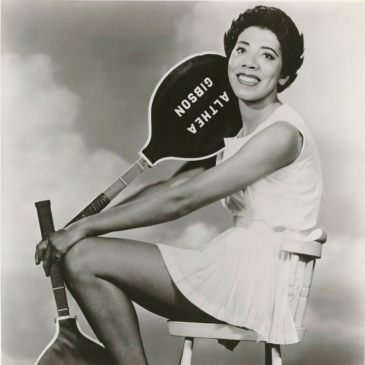
Althea Gibson
For further information or questions, please contact [email protected].
Billie Jean King