Florence Bascom
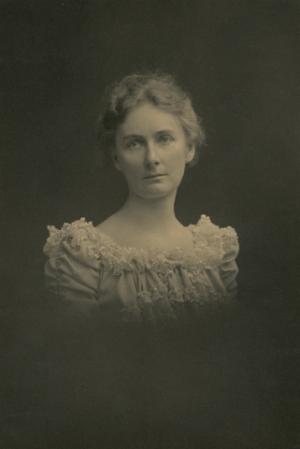
Florence Bascom was a barrier-breaking geologist who contributed to the field through her research and teaching.
Encouraged by her parents and raised in an academic environment, Bascom reached remarkable academic achievements for women of the late 19th century and was the first woman to receive a PhD from Johns Hopkins University.
She built a career at Bryn Mawr, establishing their geology department and encouraging new generations of women to engage with geology despite societal norms discouraging women’s participation in STEM.
“The fascination of any search after truth lies not in attainment, but in the pursuit.”
Florence Bascom, 1928
Early Life
Florence Bascom, called “the Stone Lady” by her contemporaries for her achievements in the field of geology, was born on July 14, 1862, in Williamstown, Massachusetts. She was the youngest of five children, born into a progressive family that encouraged her pursuit of learning. Her mother, Emma Curtiss Bascom, was a teacher and a suffragist. Her father, John Bascom, was a staunch advocate for women’s rights and the co-education of men and women at the university level. In 1874, when Bascom was 12 years old, her father became the president of the University of Wisconsin. The family moved to Madison, Wisconsin.
Education
In 1877, at the age of 15, Bascom began her studies at the University of Wisconsin with her father’s support. Even so, she still faced discrimination in her studies. Men and women could not share campus services such as the library or the gymnasium. When classrooms were full, the female students had to give their spaces to the men.
“Women lacked gymnasium drill or any form of organized athletics, except that sometime in 1878 or 1879 at the instigation of Will Anderson, of grateful memory, and with him as instructor, the inadequate University gymnasium (by custom ceded to the men exclusively) was opened to the women a few hours every week. This was far from sufficient exercise, and the women suffered from lack of regular exercise unless they indulged individually in swimming, boating, or riding.”
Florence Bascom, “The University in 1874-1887,” 1925.
In her teens, Bascom was determined to achieve an education against all odds. According to social norms for women at the time, especially from Bascom’s upper-middle class background, women would receive educations only insofar as it made them desirable as wives to educated men. Bascom, however, had other ideas.
In 1882, she received her first degree in arts and letters, the equivalent of a liberal arts degree today. Her interest in geology came from a male family friend. After finishing her degree in arts and letters, she took a drive with her father and their family friend, geologist Dr. Edward Orton. The group began discussing the formation of landscapes. Intrigued, Bascom began to seriously pursue geology as a field. Two years later, she earned a second bachelor's degree, this time in science, and a masters in Geology in 1887. She continued to experience unequal access to the sciences, however. She was not allowed to participate in field work, which her professors considered to be unladylike due to the rough terrains and long hours outdoors, and instead worked with lab specimen. After a short period of teaching, Bascom sought admission from an institution that did not admit women: Johns Hopkins University.
She fought the admissions policy at Johns Hopkins by asking her professors at the University of Wisconsin to write letters of support. Through this tactic, and overwhelming pressure from prominent men in U.S. academia at the time such as Bascom’s father, Bascom won a spot at the university and registered for classes in 1891. She continued to face challenges as a woman in higher education. Bascom had to sit behind a screen in class to avoid distracting her male classmates. Furthermore, women could not be on the official student roster and were therefore ineligible for scholarships and fellowships. She was finally allowed to take part in fieldwork. Field work, considered essential to geology, was a particularly inappropriate aspect of geology as a course of study for women in the late 19th century. She participated in field work with her advisor George Huntington Williams, and occasionally with Williams’ wife as chaperone. In 1893, Bascom earned her PhD in geology from Johns Hopkins University, becoming the first woman to receive a doctorate from the institution in any discipline. Her achievement also held national significance, as she became only the second woman in the United States to earn a PhD in geology, following Mary Holmes, who received her degree at the University of Michigan in 1888.
USGS and Bryn Mawr
After a year working at The Ohio State University, Bascom found her academic home at Bryn Mawr College. She founded the Bryn Mawr geology department in 1895, converting a storage facility into a serviceable science building herself, and procuring over 1000 geological specimen from over 100 donors. Bascom reveled in encouraging young women to pursue geology. She wanted to include excursions for fieldwork in her courses, standing against gendered norms for women of her social class at this time. Fieldwork was considered too dusty for proper young ladies, and it involved too many long hours in the sun which could damage their complexion. However, Bryn Mawr President M. Cary Thomas initially objected to the idea. With a guarantee that Bascom would enforce a strictly modest dress code for her students, they were eventually allowed to pursue fieldwork.
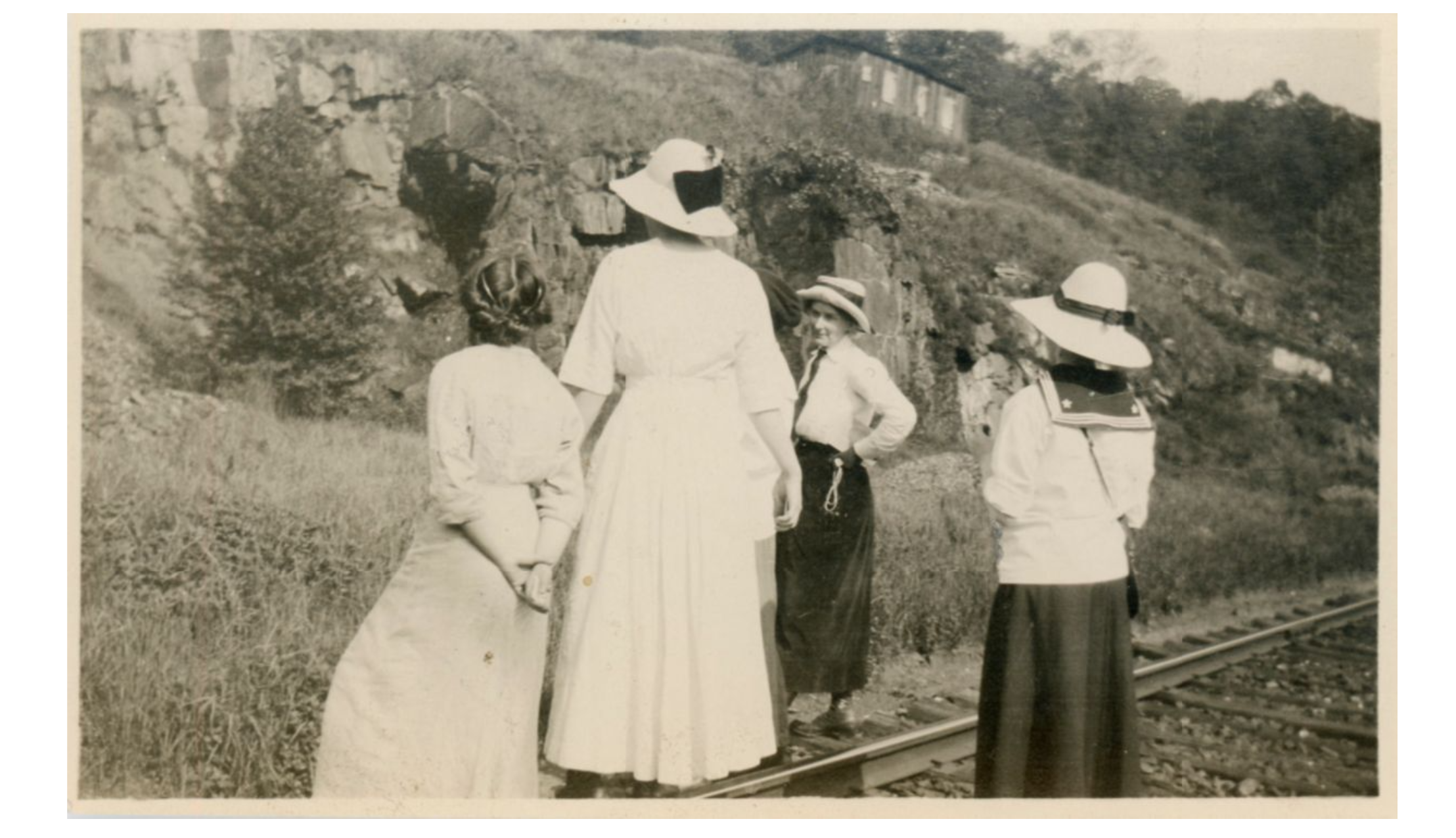
Figure 3. Florence Bascom (center, in white dress) and students on field excursion, 1913.
“Basing her instruction upon high expectations for herself and her students, innovative teaching techniques, and the pure joy she derived from geological investigation and geological thought, Bascom served as mentor to many in the succeeding generation of US women geologists. It was largely through Bascom's efforts that more women were able to pursue higher education in geology and excel at it in the first half of the 20th century.”
Geological Society, London.
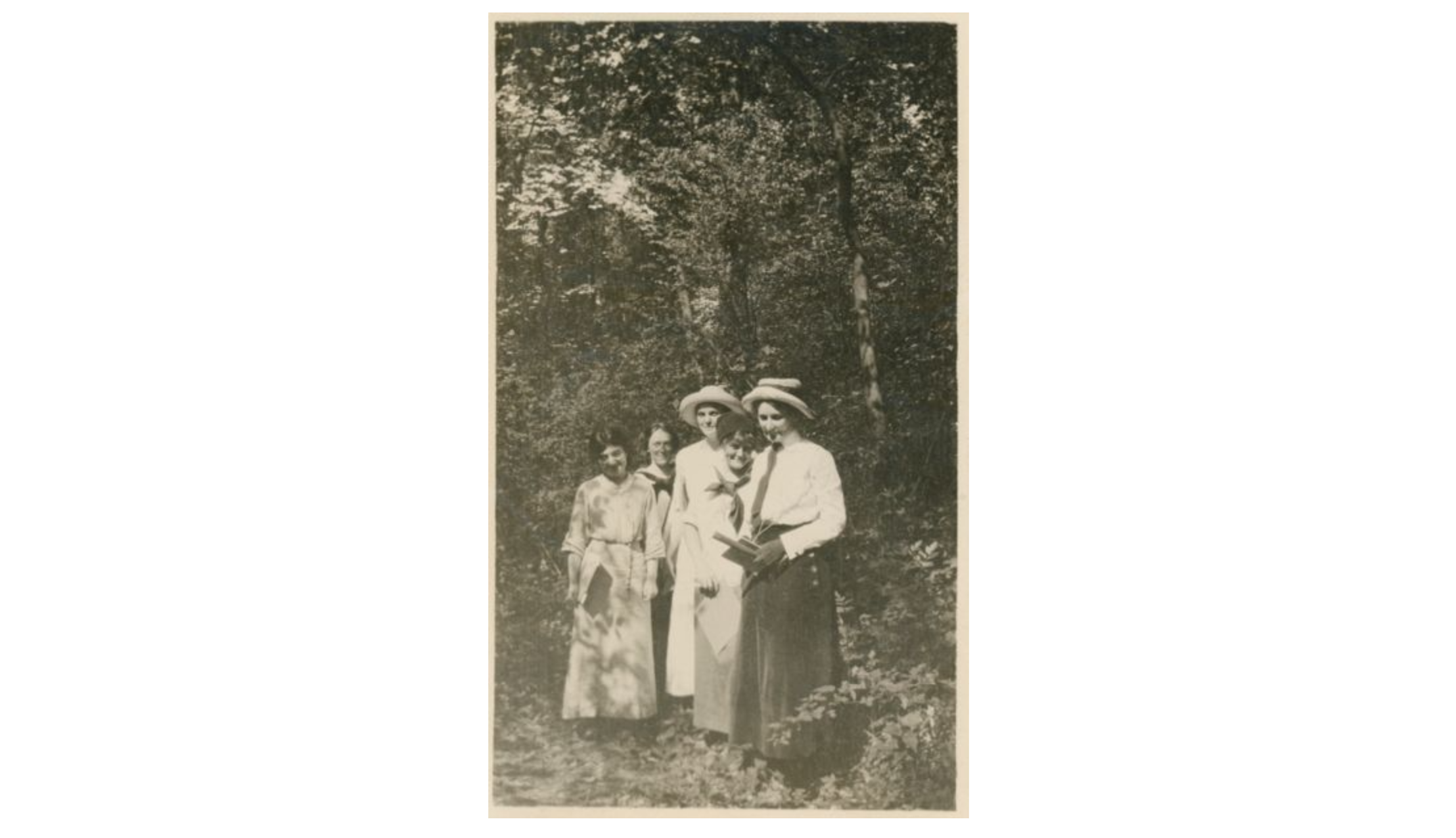
Figure 4. Florence Bascom with students on geology field excursion, 1913.
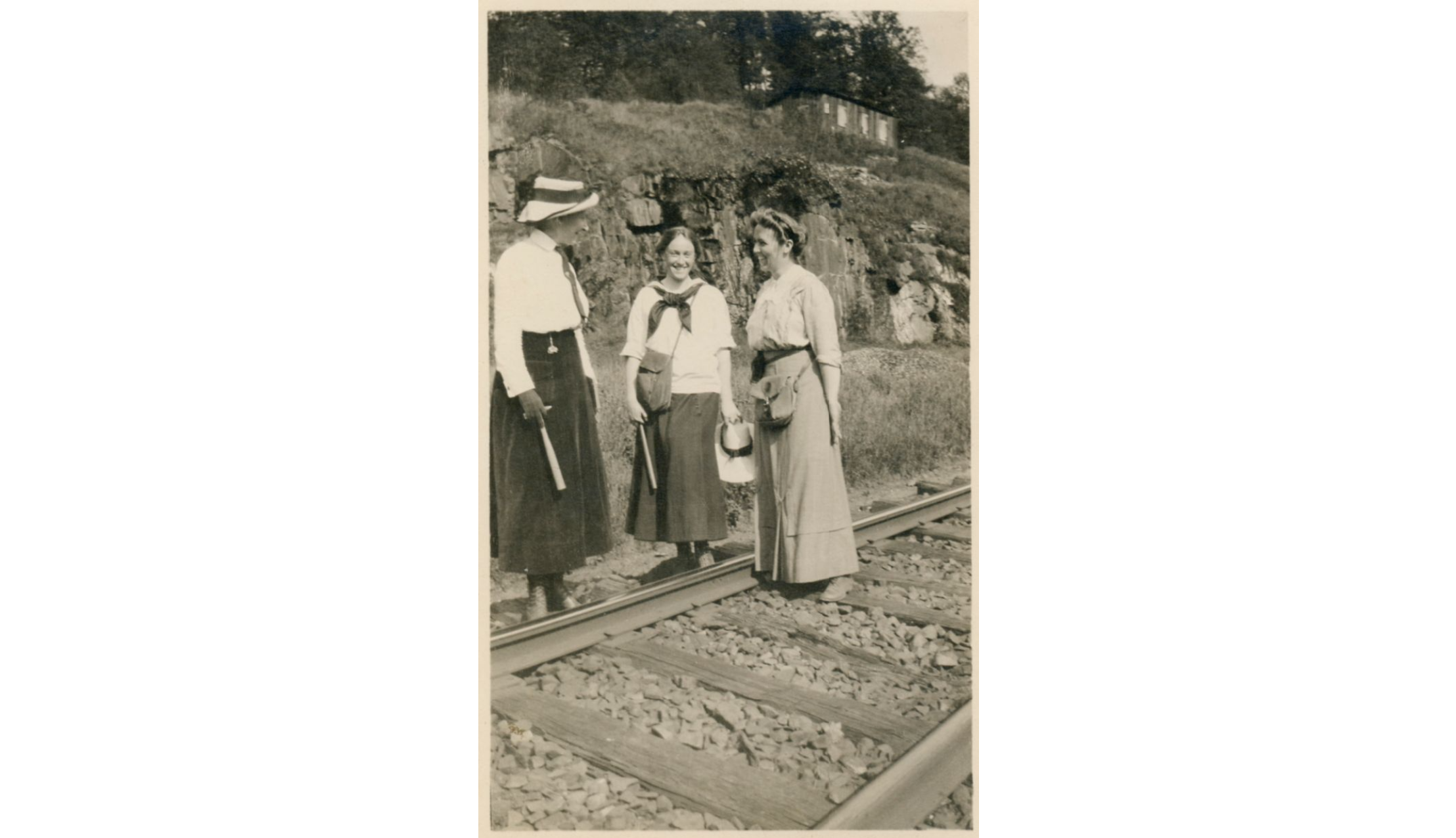
Figure 5. Florence Bascom (left) and students on field excursion, 1913.
In 1896, Bascom became the first woman to do research with the United States Geological Survey (USGS). She created in-depth research on rock formations in Maryland, Pennsylvania, and New Jersey and showed that rocks previously classified as sedimentary were actually metamorphosed lava flows. She was an expert on crystalline rocks of the Appalachian Piedmont, and she published more than 40 research papers.
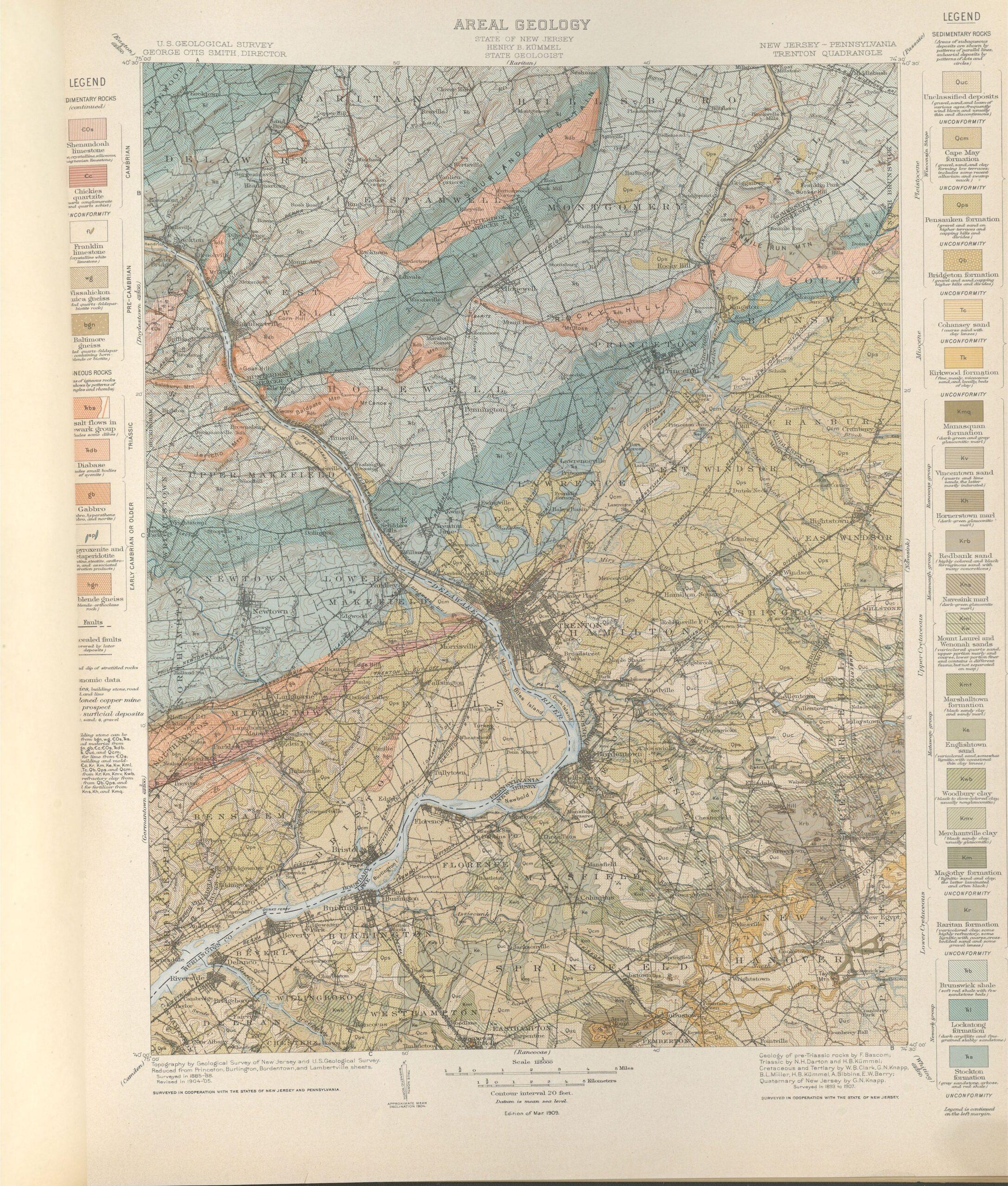
Figure 6. Trenton folio, New Jersey-Pennsylvania. Florence Bascom. 1909. Geography and Map Division.
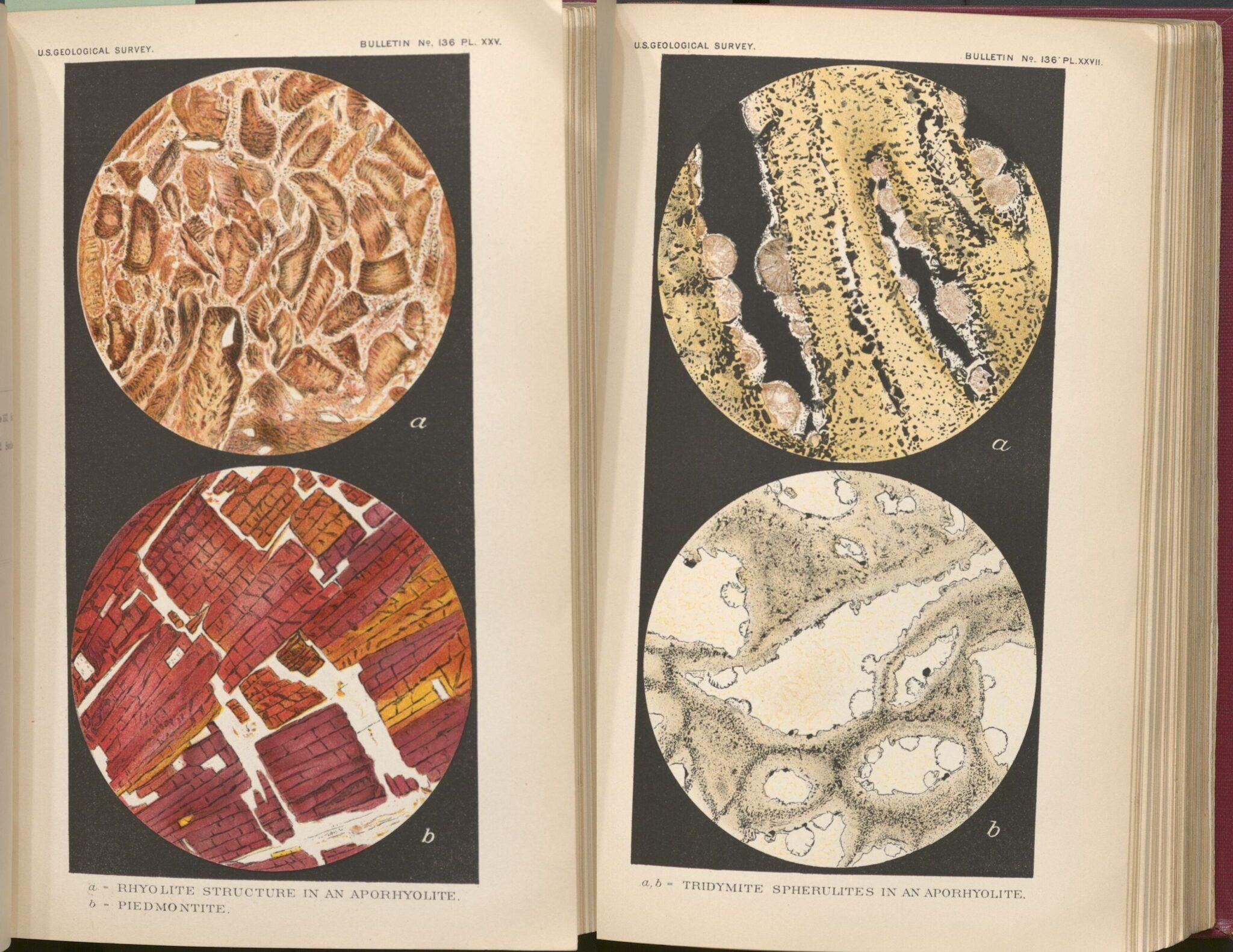
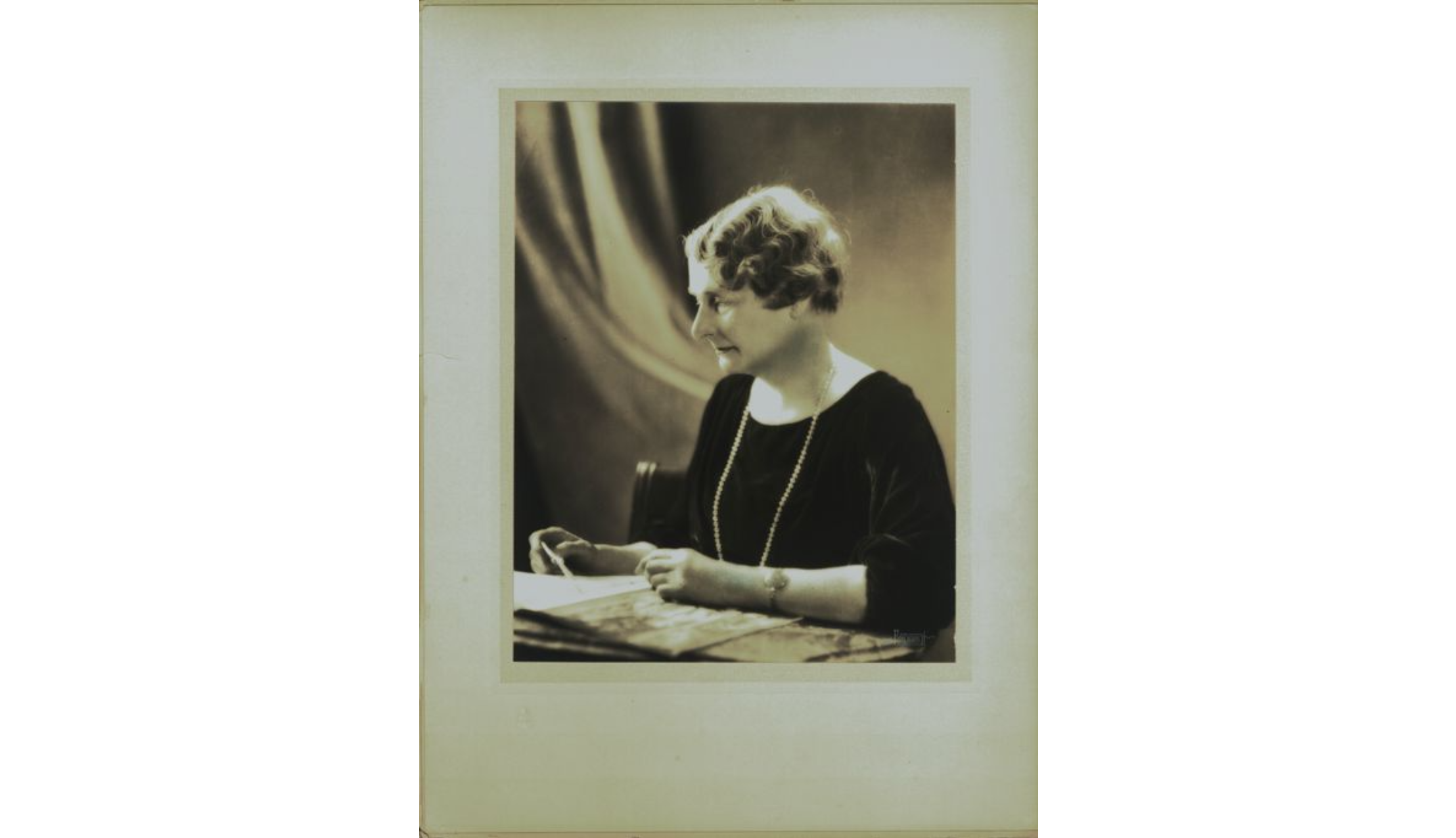
Figure 8. Portrait of Florence Bascom, 1920s.
Rock of Ages: Legacy
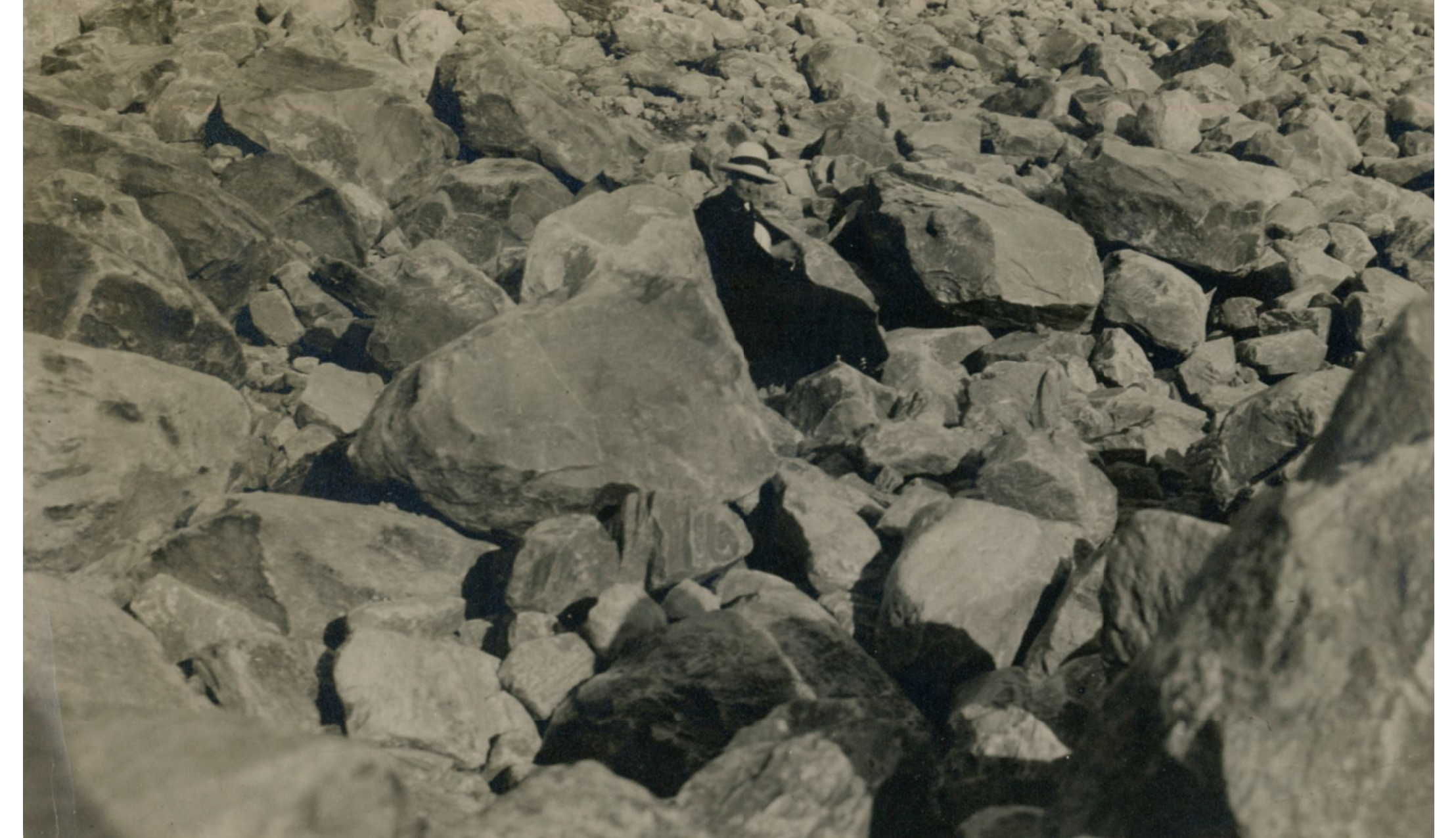
Figure 9. Florence Bascom in the field, 1913.
Bascom retired in 1936 to the Berkshires in western Massachusetts where she died on June 18, 1945, at the age of 82. Among her many accolades, a glacial lake, an asteroid, and a crater on Venus have been named in her honor. E Mentoring women geologists became a significant part of Bascom’s legacy. Several prominent twentieth-century geologists studied under Bascom, including Ida Ogilvie, Eleanor Bliss (Knopf), Anna Jonas (Stose), Isabel Smith, Julia Gardner and Mary Porter.
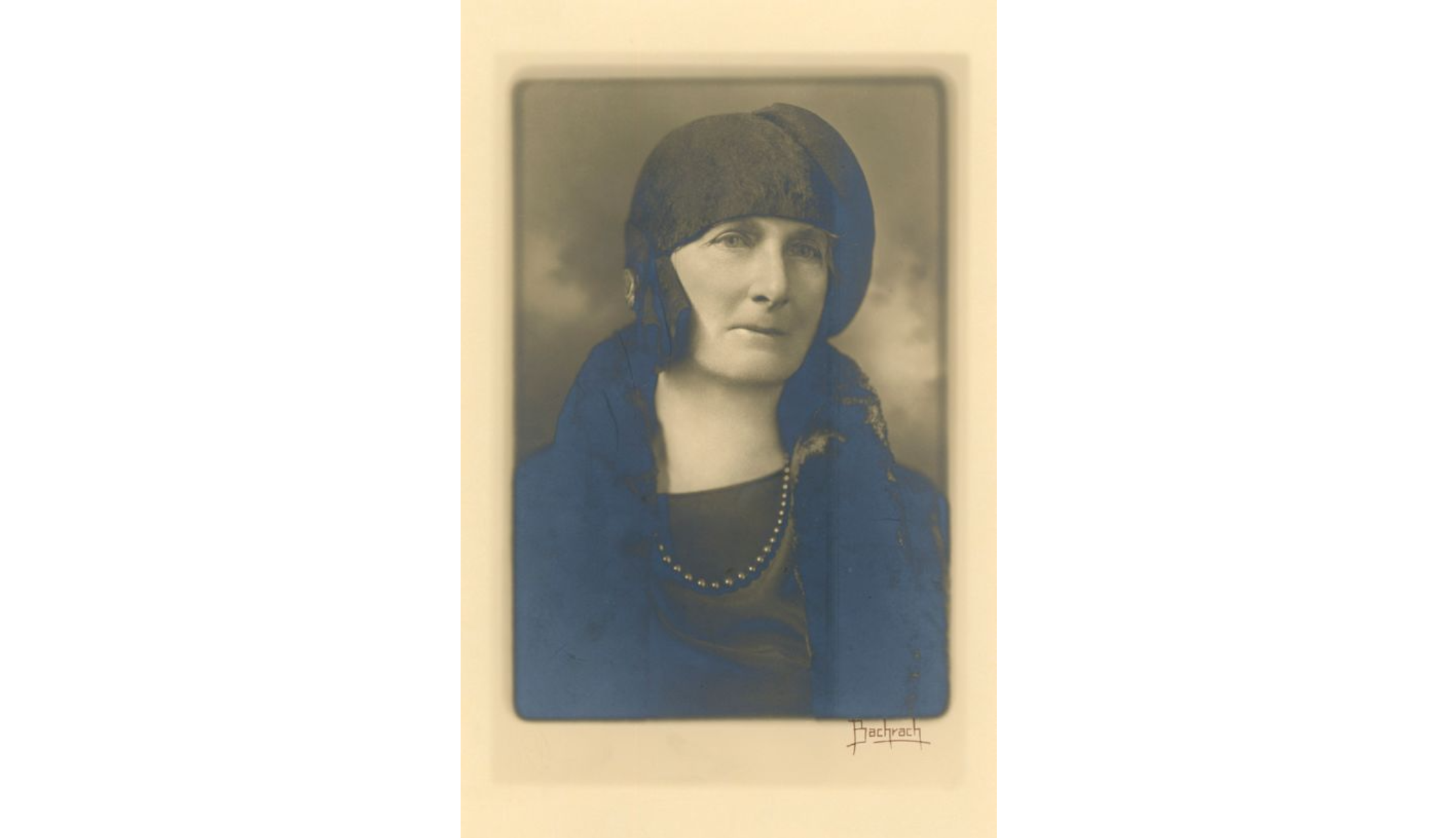
Figure 10. Portrait of Florence Bascom, 1920s.
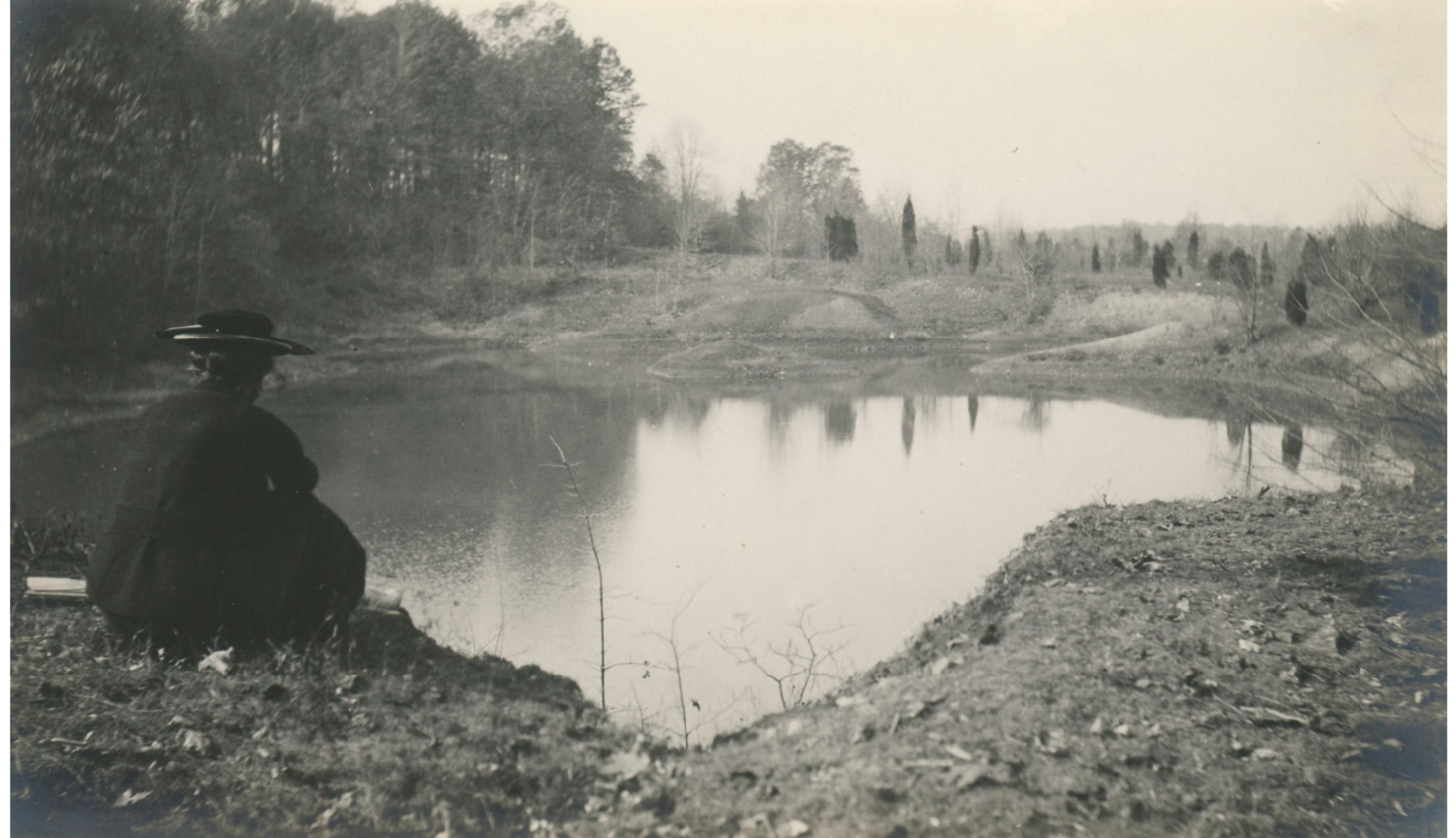
Figure 11. Florence Bascom in the field, 1913.
 Primary Source Analysis Strategies

Primary Source Analysis Strategies
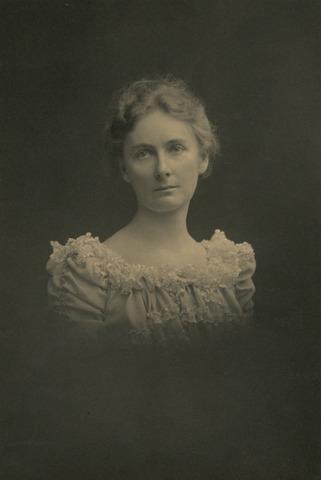
Figure 12. Portrait of Florence Bascom, c. 1880.
Figure 8. Portrait of Florence Bascom, 1920s.
- Compare these two portraits of Florence Bascom. One is from the beginning of her career, the other is from the height of her career. What differences do you notice?
- How is Bascom presented in both images? Why do you think she is presented the way that she is?
- If you were her, which portrait might you prefer? Why?
Figure 4. Florence Bascom with students on geology field excursion, 1913.
Figure 5. Florence Bascom (left) and students on field excursion, 1913.
Figure 3. Florence Bascom (center, in white dress) and students on field excursion, 1913.
- Look at the images of Bascom’s geology class on a field excursion from 1913. What do you see in the images? Where are they? How are they dressed? Do they look happy to be there?
- Look more closely at their clothes: do they look like clothes that would be suitable for long days outdoors, or for hiking?
Figure 6. Trenton folio, New Jersey-Pennsylvania. Florence Bascom. 1909. Geography and Map Division.
- Look at this map created by Florence Bascom. What does the map depict?
- Have you ever seen something similar to this map? When, and where?
- What could you learn from this map?
Bascom, Florence. “The University in 1874-1887.” The Wisconsin Magazine of History, Vol. 8, No. 3
(March, 1925), p 300-308.
Clary, R.M. and J.H. Wandersee. “Great expectations: Florence Bascom (1842–1945) and the education of early US women geologists.” Geological Society, London, Vol. 281 (2007), p 123-135.
“Florence Bascom, a trailblazing geologist who dared to dig.” Johns Hopkins University. Mar 7, 2018. https://hub.jhu.edu/2018/03/07/women-of-hopkins-florence-bascom
“Florence Bascom, Trailblazer of the U.S. Geological Survey.” USGS. March 1, 2023.
https://www.usgs.gov/news/featured-story/florence-bascom-trailblazer-us-geological-survey
Schneiderman, Jill S. “Rock Stars, A Life of Firsts: Florence Bascom.” GSA Today (July 1997), p 8-9. “The Stone Lady, Florence Bascom.” National Park Service. Accessed November 11, 2025. https://www.nps.gov/people/the-stone-lady-florence-bascom.htm
MLA – McKelvie, Lydia. “Florence Bascom” National Women’s History Museum, 2025. Date accessed.
Chicago – McKelvie, Lydia. “Florence Bascom.” National Women’s History Museum. 2025. Link.
Elizabeth Blackwell
June Almeida