Mierle Laderman Ukeles
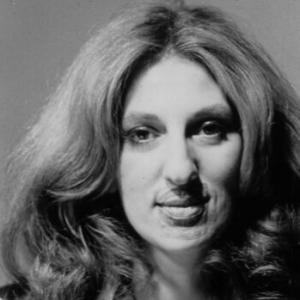
As the founder of Maintenance Art, Mierle Laderman Ukeles transformed undervalued domestic and civic labor (traditionally performed by women and working-class people) into public, visible, and celebrated artistic practice, thereby shifting cultural conversations about gender parity in both art and society.
Ukeles reframed environmental care as a feminist, collective responsibility, asserting that maintenance labor connects intimate domestic spaces to ecosystems and public land, and that sustained care for the planet is itself a vital artistic and social practice.
“I am an artist. I am a woman. I am a wife. I am a mother. (Random order). I do a hell of a lot of washing, cleaning, cooking, renewing, supporting, preserving, etc. Also, (up to now separately) I ‘do’ Art. Now I will simply do these everyday things, and flush them up to consciousness, exhibit them, as Art.”
-Ukeles, Manifesto for Maintenance Art (1969).
Early Life
Mierle Laderman Ukeles was born and raised in a lower middle class Jewish neighborhood in Denver, Colorado (The Art Story). Her mother worked as a homemaker, and her father served as a rabbi at the Hebrew Educational Alliance (Weisberg, 2013). Ukeles later reflected on how restrictive this environment felt, especially for women, stating that “growing up in the 1950s was a really weird time, especially for a woman.” She found the culture very constraining (The Art Story). In the aftermath of World War II, American culture promoted domestic stability centered on the nuclear family. Women, particularly white middle class women, faced strong pressure to embrace roles as wives, mothers, and homemakers, while society framed domestic labor as both moral duty and patriotic service. Opportunities outside the home narrowed sharply compared to the wartime years, and those who deviated from these norms often faced stigma. Jewish families like Ukeles’s experienced intensified pressure to assimilate within a broader climate of Cold War anxiety and anticommunist sentiment. As the daughter of a rabbi in a tradition bound community, Ukeles grew up in an environment that valued service and order while treating caregiving and maintenance work as natural, invisible, and undeserving of public recognition.
Education and Artistic Influences
In the 1960s, Ukeles moved to New York to study at the Pratt Institute in search of greater artistic freedom (The Art Story). She studied with abstract expressionist painter Robert Rauschenberg, who emphasized artistic freedom before the school dismissed him. Shortly afterward, Ukeles transferred to Barnard College, where she studied history and international studies (The Collector).
New York’s art scene at the time centered on Pop Art, with artists such as Andy Warhol, Roy Lichtenstein, and Claes Oldenburg drawing from mass media and consumer culture, while Minimalism and Conceptual Art shifted attention toward industrial materials and systems (Tate; The Art Story). Despite this experimental climate, art education remained deeply gendered. Ukeles recalled that many instructors struggled to accept women as serious artists, and her sculpture professor explicitly told her that women should not be in sculpture (The Art Story). Reflecting on her influences, Ukeles explained:
My heroes in the avant-garde were my ‘uncle’ Jackson Pollack, who gave the gift of free bodily movement in the work, my “grandfather” Marcel Duchamp, who gave me the gift of renaming or moving a simple object from one context to another and reinventing the whole meaning of it, and my ‘uncle’ Mark Rothko, who gave me a gift in his art of the ability to move from one dimension to another.
Now, you might notice that my heroes happened to all have been men. And how they were supported in the world was something you didn’t talk about; you focused on their genius. I wanted to be an artist to be free. And I felt that they fed me these gifts of great freedom out of their creation. (Freilich, 2020)
Motherhood and the Birth of Maintenance Art
In 1968, Ukeles became a mother, an experience that triggered a personal and artistic crisis. At the time, Ukeles was married, and while her partner was present in her life, the responsibilities of childcare and domestic labor filled her days, she realized that the culture celebrated artistic creation while ignoring the labor that sustained daily life and made creative work possible (The Collector). She later described feeling mentally split between caregiving and art making, saying:
“But when I was with the baby being the mother, I was thinking to myself, I’m going to lose it. I’m not going to be able to be an artist. I have to be an artist. When I was the artist, what am I thinking? Is the caregiver really paying attention to the baby? Is she crying? So, my wires were getting all crossed. I felt like I was two separate people in one body. I didn’t like that feeling at all.” (Freilich, 2020)
This tension led Ukeles in 1969 to write the Manifesto for Maintenance Art (1969) Proposal for an exhibition "CARE", which she described as emerging from “cold fury.” In the manifesto, she declared acts such as cleaning, cooking, and repairing to be art, challenging artistic hierarchies that privileged innovation while dismissing survival labor. By asserting that “Everything I do is art,” Ukeles reframed maintenance as a creative and political act rather than an obligation imposed on women (The Collector). More extensively she explained:
“I talk about freedom all the time. If the artist is the boss, then I’m the boss of my freedom. I choose maintenance and I name maintenance ‘art.’ I name necessity ‘art.’ It is art that is going to have to change. Art follows me. I realized that’s my freedom. I don’t have to shape up to Jackson, to Marcel, to Mark. I don’t have to copy others; I can’t have that life; I choose this life. Why? Because I’m the artist and I say so.” (Freilich, 2020)
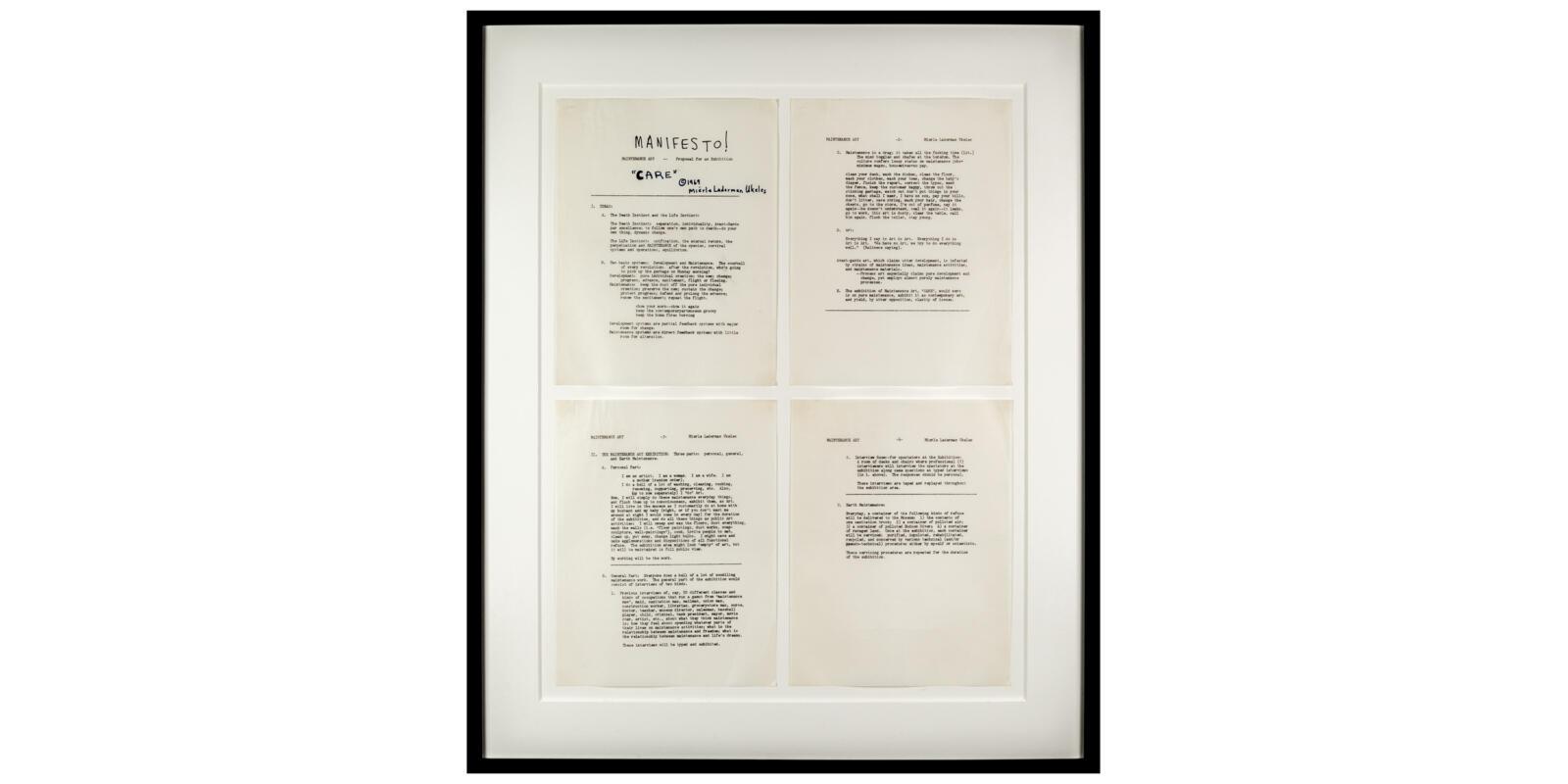
Figure 1. MANIFESTO FOR MAINTENANCE ART, 1969! Proposal for an exhibition CARE by Mierle Laderman Ukeles, 1969, via the Ronald Feldman Gallery.
Feminism, Performance, and Visibility
Ukeles’s ideas developed alongside second wave feminism, which increasingly challenged the unpaid domestic labor expected of women. Like movements such as Wages for Housework, Ukeles demanded recognition rather than abstraction. She brought maintenance tasks directly into museums and public spaces, sweeping floors, scrubbing steps, and performing cleaning as art. These actions exposed the invisible labor that sustained cultural institutions and daily life.
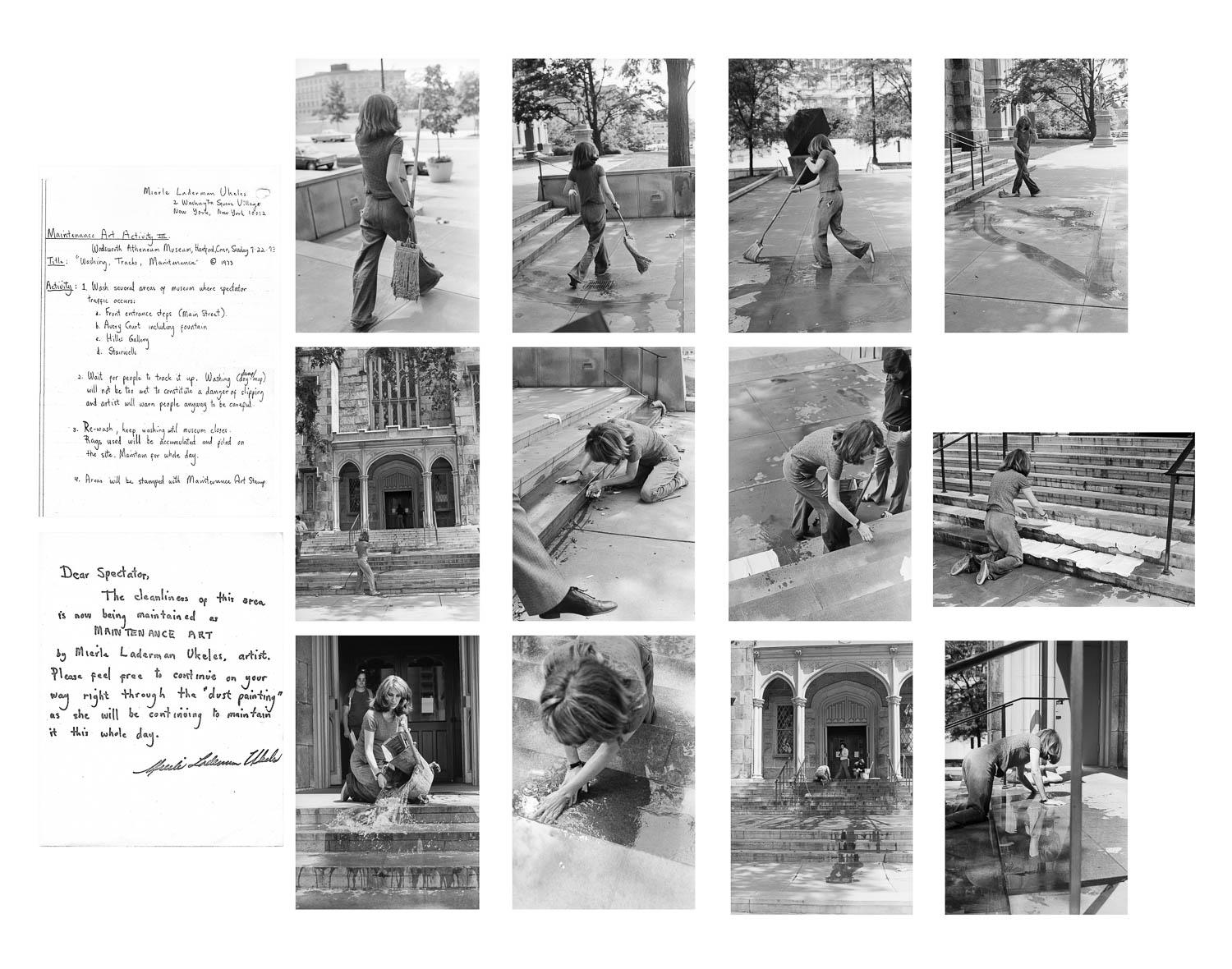
Figure 2. Washing/Tracks/Maintenance: Outside, 1973. 12 black and white photographs, 2 text panels, 16 x 20 inches. Courtesy of the Ronald Feldman Gallery.
Through this advocacy, Ukeles connected with feminist artists including Ana Mendieta, Mary Beth Edelson, and Anne Healy. Reflecting on this period, she said:
“This was the time when women were joining consciousness-raising groups. And it was very appealing to me, because I met other women who were trying to understand themselves and keep their power; work and hang in there. It was a lifesaver.” (Afterall, 2008)
Sanitation Work and Civic Labor
Ukeles’s practice shifted dramatically in the late 1970s when she embedded herself in New York City’s sanitation system. Rather than distancing herself from municipal labor, she insisted that sanitation work formed the foundation of urban survival. She met with thousands of sanitation workers, learned their routines, and honored their labor through sustained engagement.
Her most iconic project, Touch Sanitation from 1978 to 1980, involved shaking hands with all 8,500 sanitation workers in New York City and thanking each one “for keeping New York City alive.” Reflecting on this work, Ukeles stated:
“I know their anger… I have their anger. The feminist movement missed an opportunity to build a coalition between women, who are the ancient maintenance class, and sanitation workers. That would be most people in the world. We could really change things.” (Weisberg, 2013)
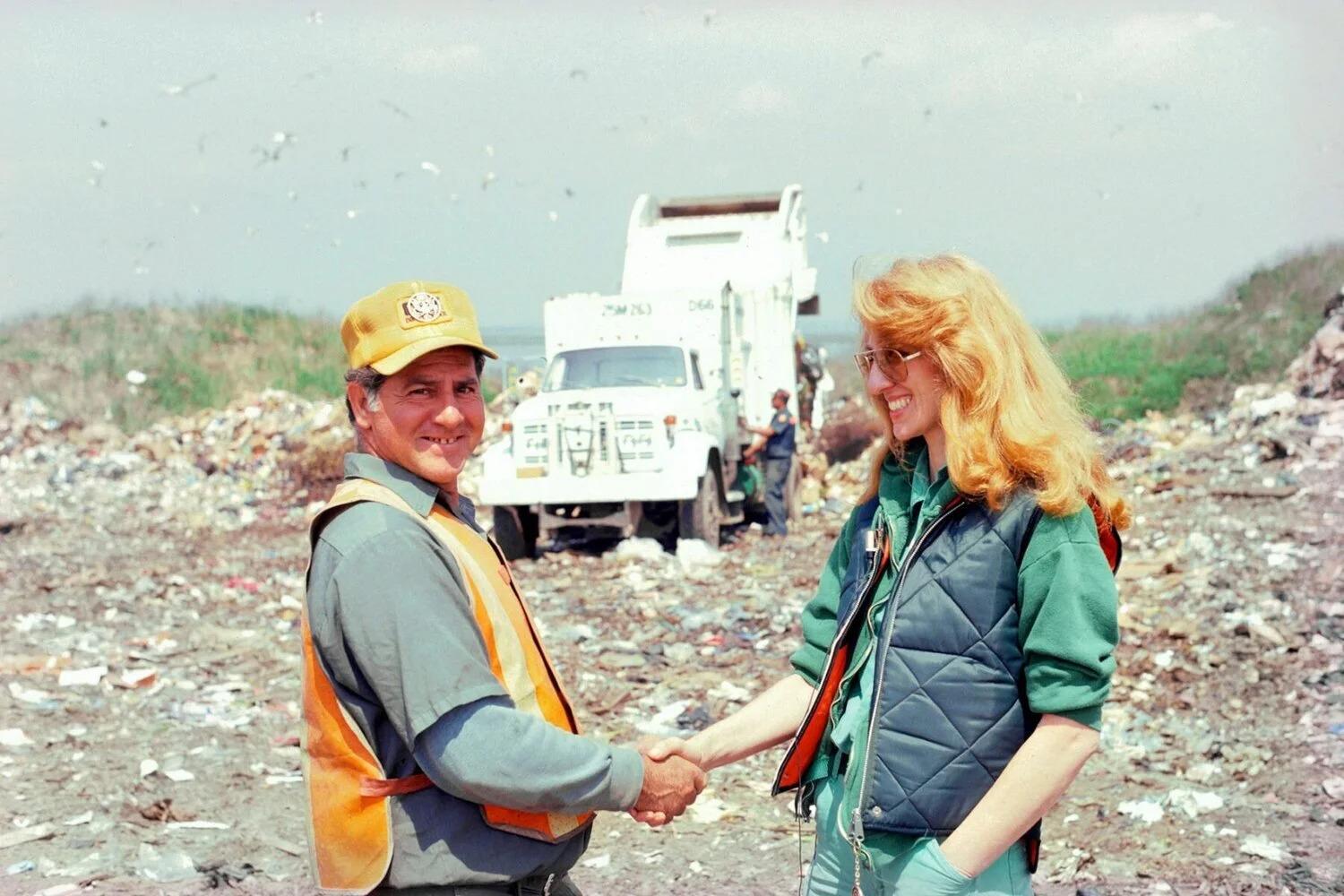
Figure 3. Mierle Laderman Ukeles, Touch Sanitation Performance: “Handshake and Thanking Ritual” with Sanitation Workers of New York City Department of Sanitation, 1979–1980. © Mierle Laderman Ukeles. Courtesy of the artist and the Ronald Feldman Gallery.
These projects positioned Ukeles as both an artist and a labor advocate, drawing attention to the physical and emotional toll of maintenance work, often performed by working class, immigrant, and marginalized communities.
Flow City and Environmental Systems
Ukeles later expanded her focus to large scale ecological systems. She conceived Flow City as her most ambitious public artwork by embedding it within a working Marine Transfer Facility. Developed over several years in collaboration with architects, engineers, and the Department of Sanitation, the project opened a normally hidden industrial site to the public. Visitors moved alongside sanitation trucks, observed dumping operations from above, and encountered the river and city as interconnected systems of circulation and care. Ukeles framed waste removal as essential labor rather than something to conceal or ignore. Flow City culminated her long residency with the Department of Sanitation and extended her feminist redefinition of maintenance to environmental infrastructure (Phillips, 1989).
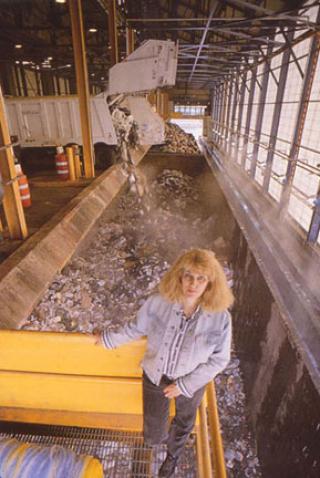
Figure 4. Flow City, Marine Transfer Station, Department of Sanitation, New York City (Figure 0016), 1992. Courtesy of Ronald Feldman Gallery. Photography Danial Dutka.
Legacy and Ongoing Influence
Ukeles situated environmental maintenance as a feminist and communal act. She argued that the planet itself requires ongoing care and that maintenance work extends from kitchen sinks to riverbeds and public lands. This expanded definition reinforced her conviction that care is not separate from art but one of its most urgent forms.
Throughout her career, Ukeles centered recognition as both method and goal. She challenged the divide between private and public labor and exposed how gendered systems devalued domestic, civic, and environmental work alike. Today, Ukeles continues to influence artists, educators, and policymakers who seek to rethink labor, care, and sustainability. Her Maintenance Art practice laid the groundwork for socially engaged art by demonstrating that advocacy can emerge through sustained presence, collaboration, and care.
 Educator Resources

Elementary School Bell Ringer
Prompt: Ask students to think quietly for one minute about a job someone does every day that helps their school or home run smoothly.
Activity: Students write or draw one task that keeps things clean, safe, or organized, such as cleaning classrooms, taking out trash, or helping younger siblings. The teacher then introduces Ukeles as an artist who believed these kinds of jobs matter and deserve respect.
Goal: Help students recognize care and maintenance as valuable work.
Middle/High School Bell Ringer
Prompt: Write the sentence “Some jobs are invisible even though they are essential” on the board.
Activity: Students respond in writing for three to five minutes. They list examples of invisible labor and explain why they think society overlooks it. After sharing a few responses, the teacher introduces Ukeles and her idea that maintenance work is a form of art.
Goal: Encourage critical thinking about labor, power, and visibility.
Afterall. “Mierle Laderman Ukeles in conversation with Alexandra Schwartz.” Afterall Journal, 2008. https://www.afterall.org/articles/mierle-laderman-ukeles-in-conversation-with-alexandra-schwartz/
Freilich, Toby Perl. “Blazing Epiphany: Maintenance Art Manifesto 1969!: An Interview with Mierle Laderman Ukeles.” Interview. 2020. https://read.dukeupress.edu/cultural-politics/article/16/1/14/164207/Blazing-Epiphany-Maintenance-Art-Manifesto-1969-An
Phillips, Patricia C. “From the Archives: Public Art— Waste Not.” 1989. https://www.artnews.com/art-in-america/features/from-the-archives-public-art-waste-not-63198/
Sanitation Foundation. “Portrait of an Artist: Mierle Laderman Ukeles.” Sanitation Foundation Blog. https://www.sanitationfoundation.org/blog/portrait-of-an-artist-mierle-laderman-ukeles
Tate. “Pop Art.” Tate Art Terms. https://www.tate.org.uk/art/art-terms/p/pop-art
Tate. “Minimalism.” Tate Art Terms. https://www.tate.org.uk/art/art-terms/m/minimalism
The Art Story. “Mierle Laderman Ukeles.” https://www.theartstory.org/artist/ukeles-mierle-laderman/
The Collector. “Who is Mierle Laderman Ukeles?” https://www.thecollector.com/mierle-laderman-ukeles/
Weisberg, Gabriel P. “The Hardworking Artist Mierle Laderman Ukeles Is Here To Clean Up Your Mess.” 2013. https://www.tabletmag.com/sections/arts-letters/articles/mierle-laderman-ukeles#
MLA — “Mierle Laderman Ukeles” National Women’s History Museum, 2026. Date accessed.
Chicago — “Mierle Laderman Ukeles.” National Women’s History Museum. 2026. https://www.womenshistory.org/education-resources/biographies/mierle-laderman-ukeles
Wendy Red Star